Project Dossier & Chronicle
1. Project Abstract
Dags Vidulejs: “The Divine Comedy cycle is conceived as a visual sociology of the twenty-first century. Through a unique synthesis of painting, sociological inquiry and philosophical reflection, Dags Vidulejs transforms Dante's three realms into symbolic models of contemporary human existence. Anthropomorphic forms dissolve into abstract rhythms, revealing the hidden structures through which power, identity, cooperation and conscience manifest themselves in society. The exhibition invites viewers not merely to contemplate paintings, but to read the ethical anatomy of modern civilisation.”
Dags Vidulejs' monumental project “Dante's Divine Comedy” represents a unique event in contemporary art: it is the first complete oil-painting illustration cycle of this classical literary masterpiece created in the 21st century. The project comprises 30 large-scale canvases (each 300 × 200 cm) divided into three distinct cantiche: Inferno, Purgatorio, and Paradiso. The cycle is structured not as domestic artwork, but as a singular, indivisible spatial installation, using classical imagery to reflect the socio-philosophical climate of 21st-century society.
2. Exhibition Chronicle — Jūrmala City Museum
“Dante's 'Divine Comedy' in Dags Vidulejs' interpretation is not merely a series of individual paintings. It is a unified, monumental 21st-century philosophical installation, where the classical text serves as a counterpoint and an emotional mirror for the moral and social processes of contemporary society.”
The exhibition at the Jūrmala City Museum marked the first public showing of the complete cycle of 30 monumental masterpieces. Each canvas, measuring 300 × 200 cm, is executed in oil on linen, constructed as a spatial symphony of volume and texture.
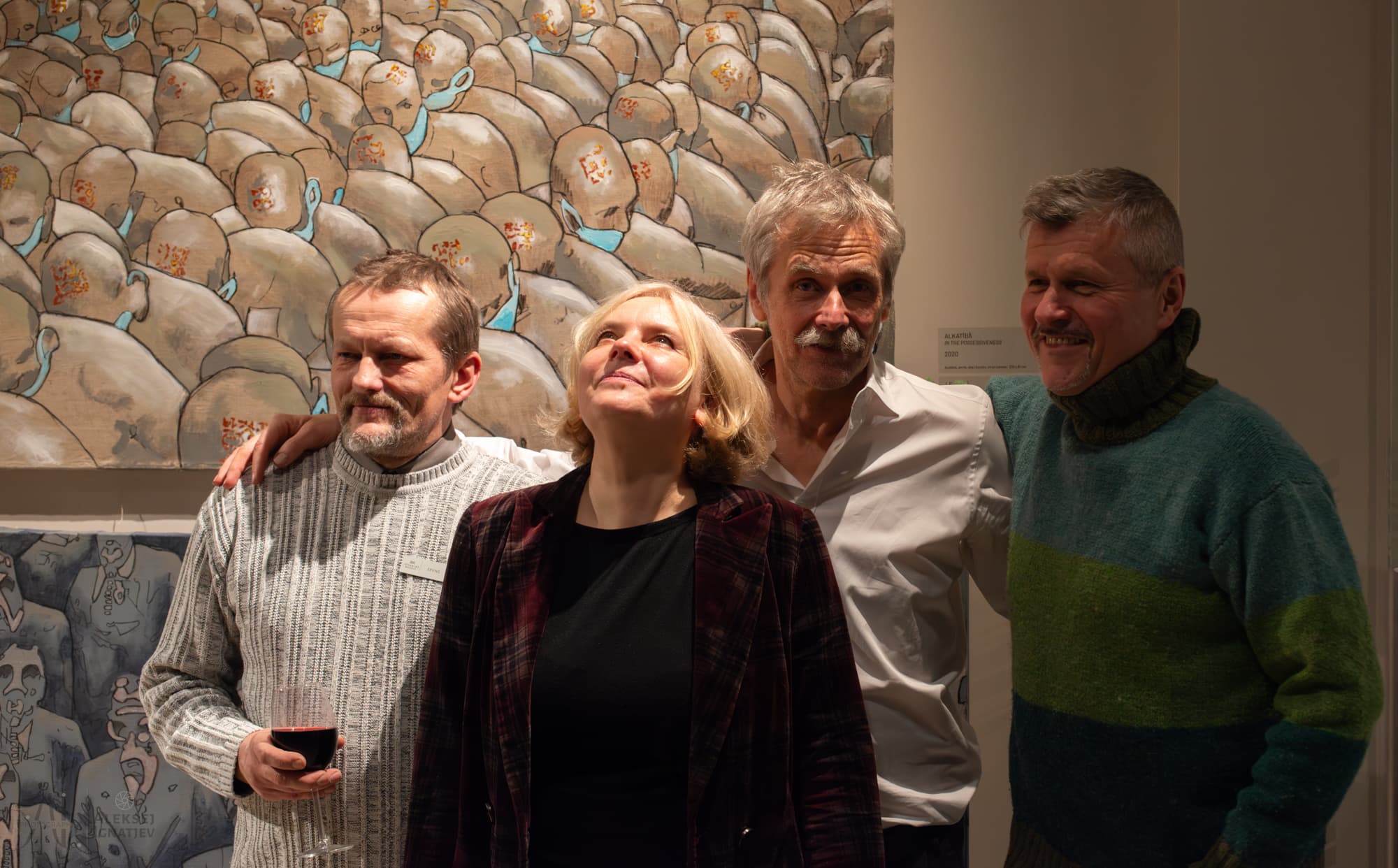
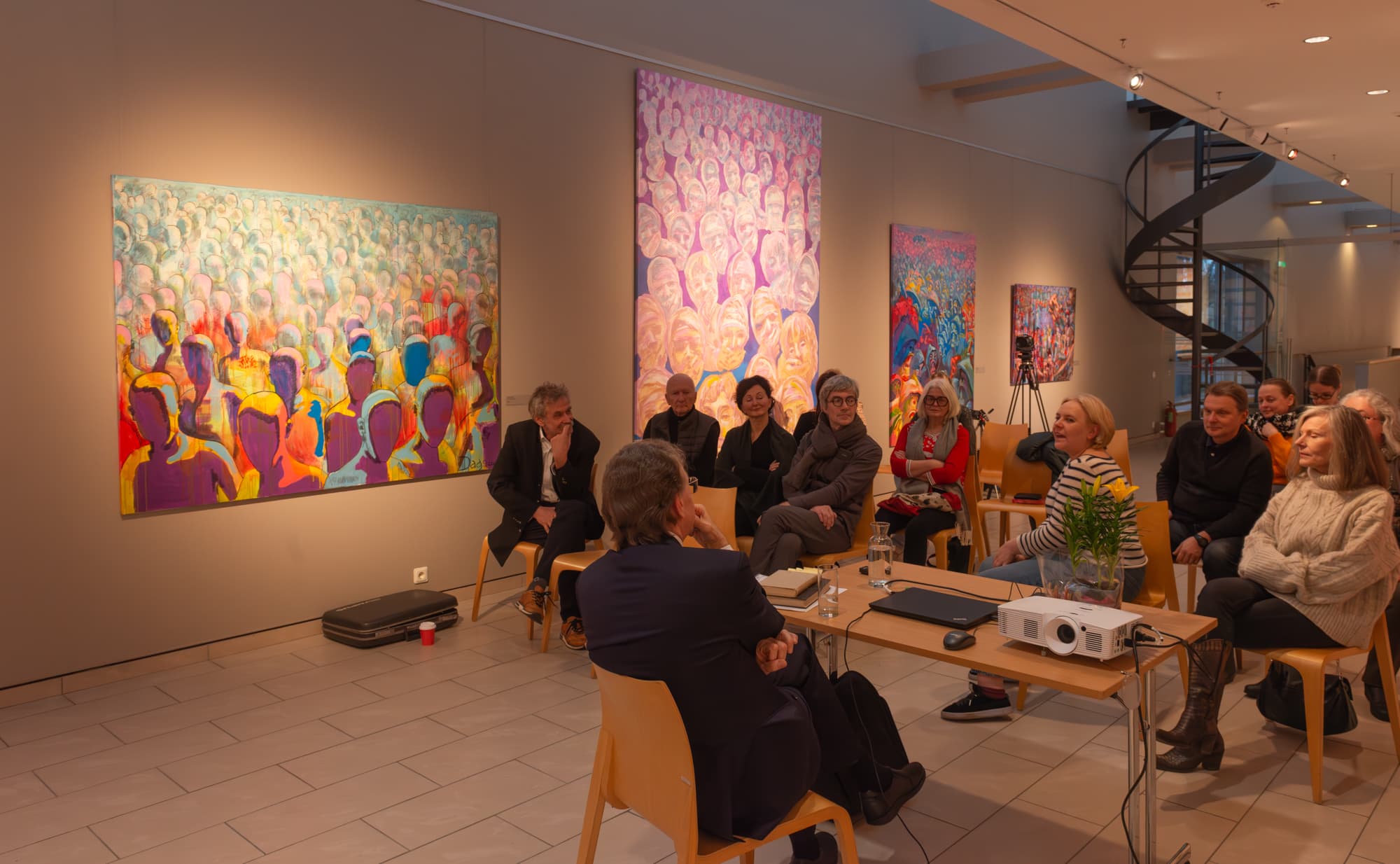
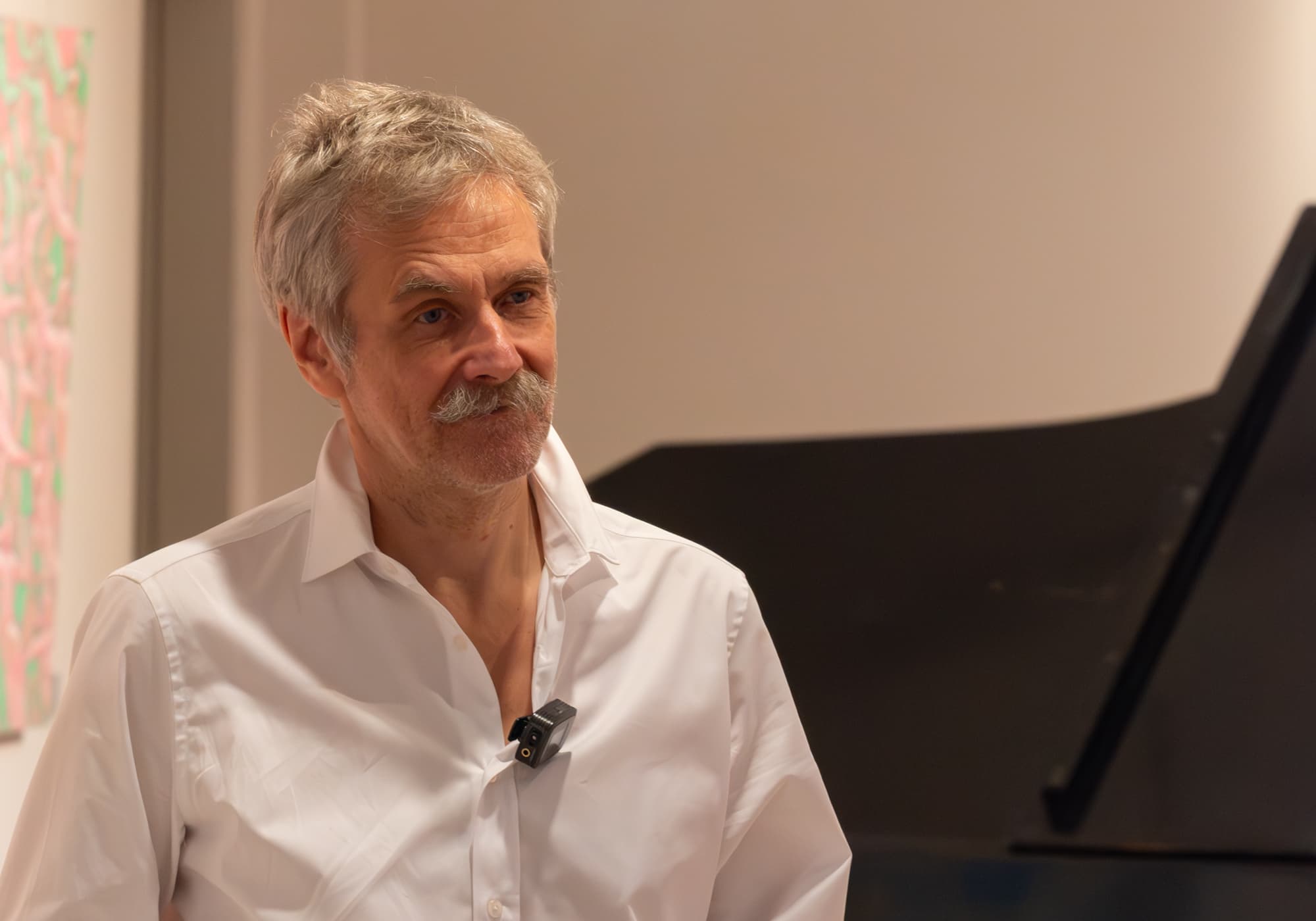
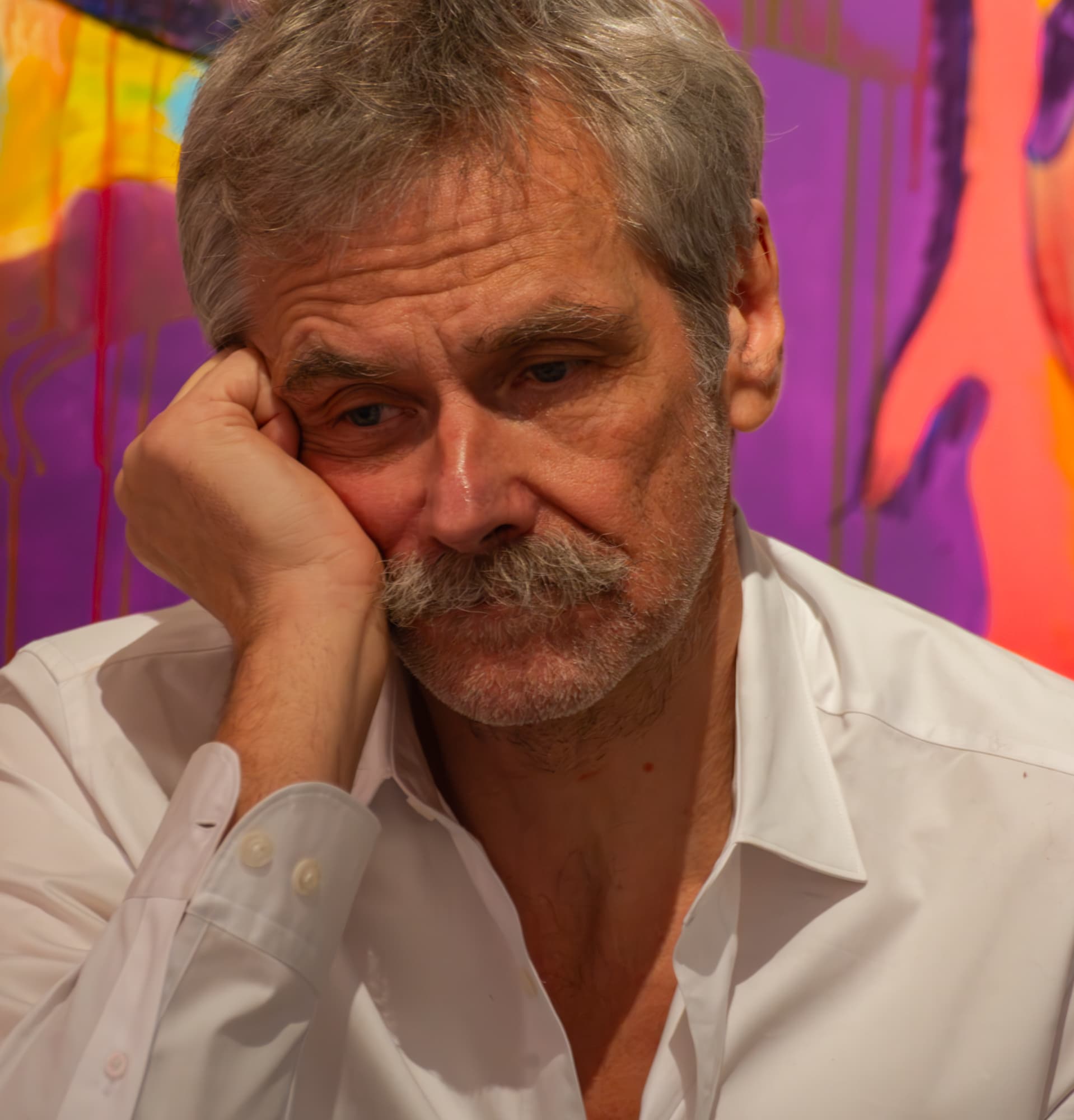
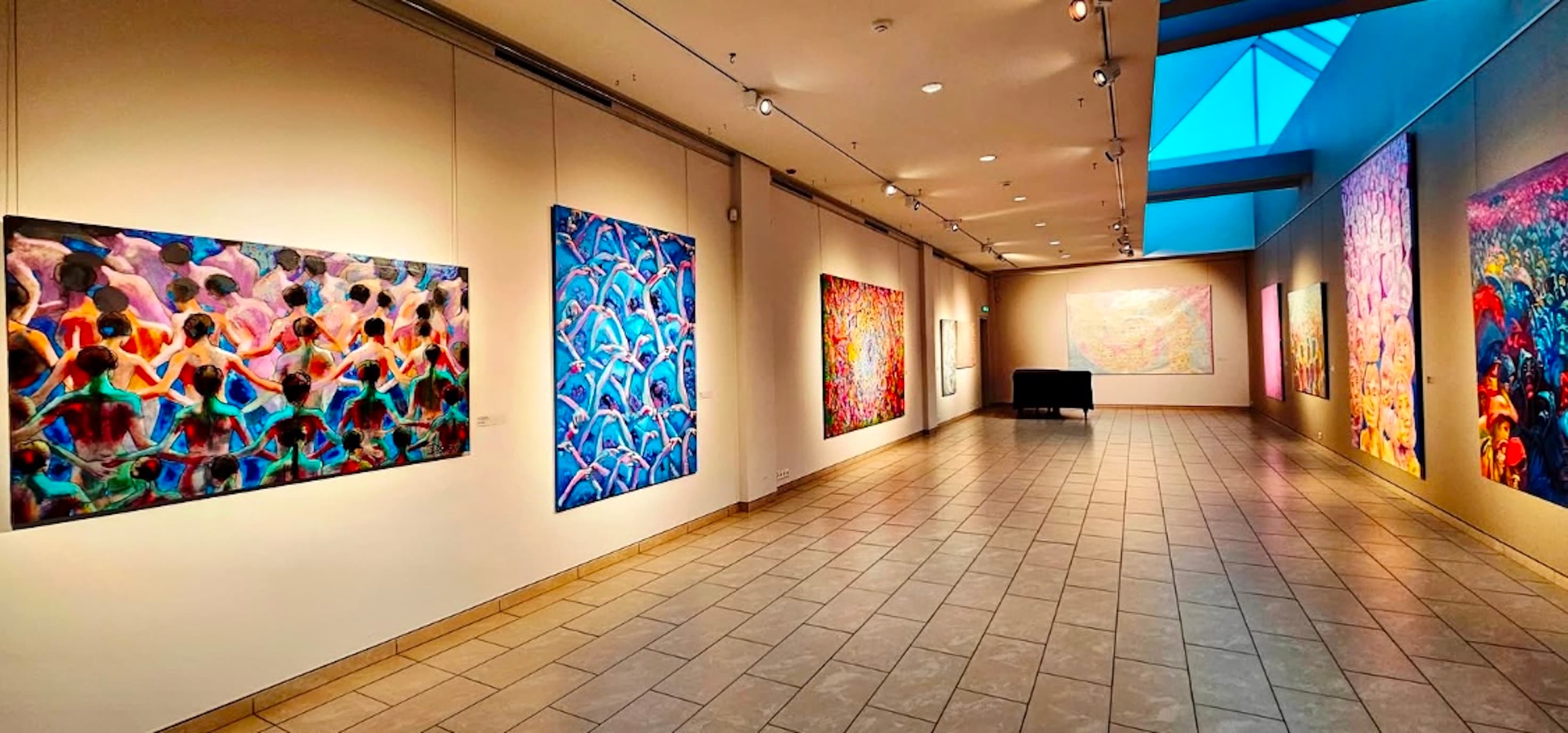
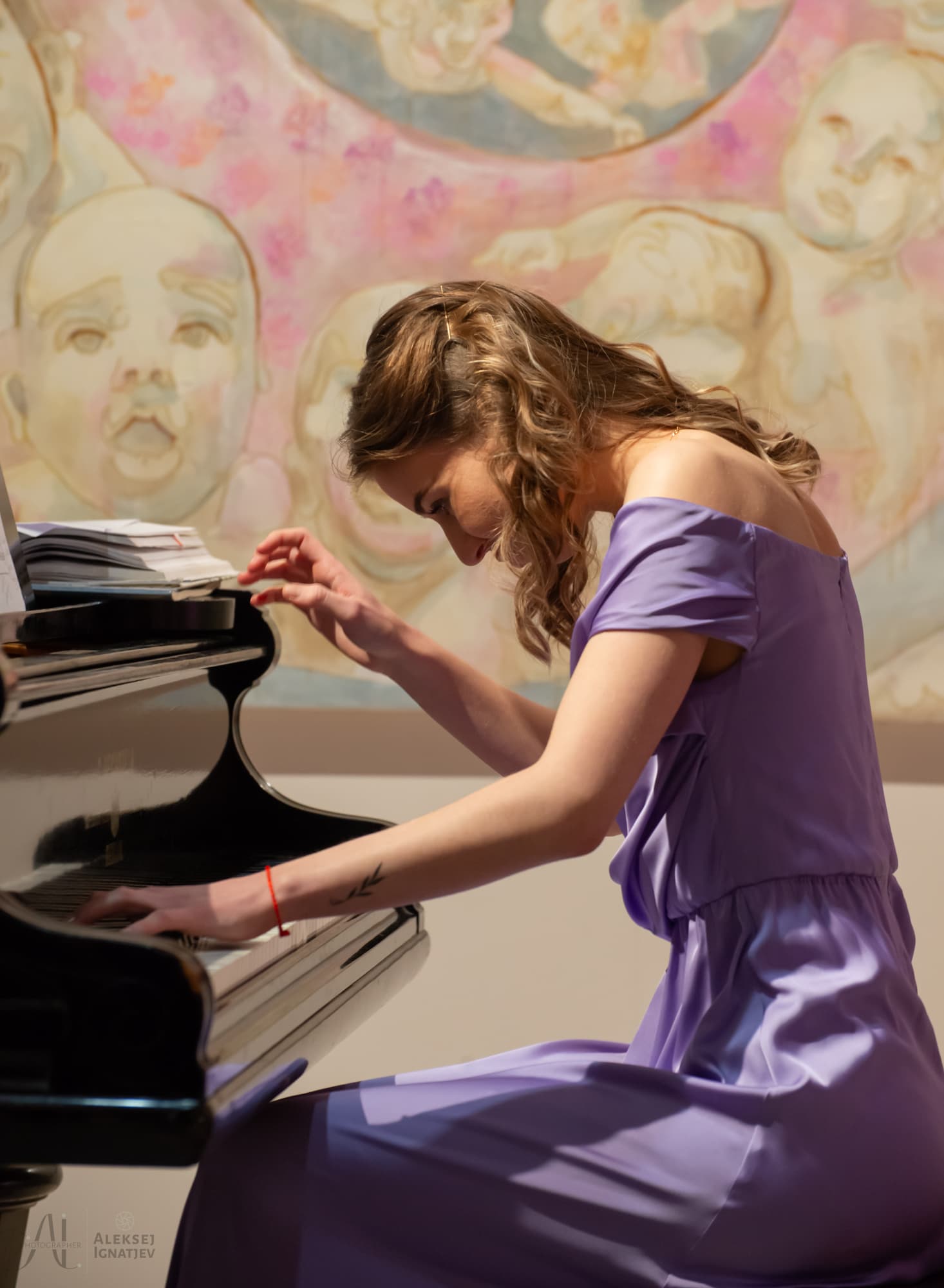
Opening Performance: Beatrice & Dante
Watch the live opening performance: Beatrice (played by pianist Evelīne Jēkabsone) performing Mozart on the piano while the artist Dags Vidulejs recites Dante's verses.
3. Project Team & Collaborators
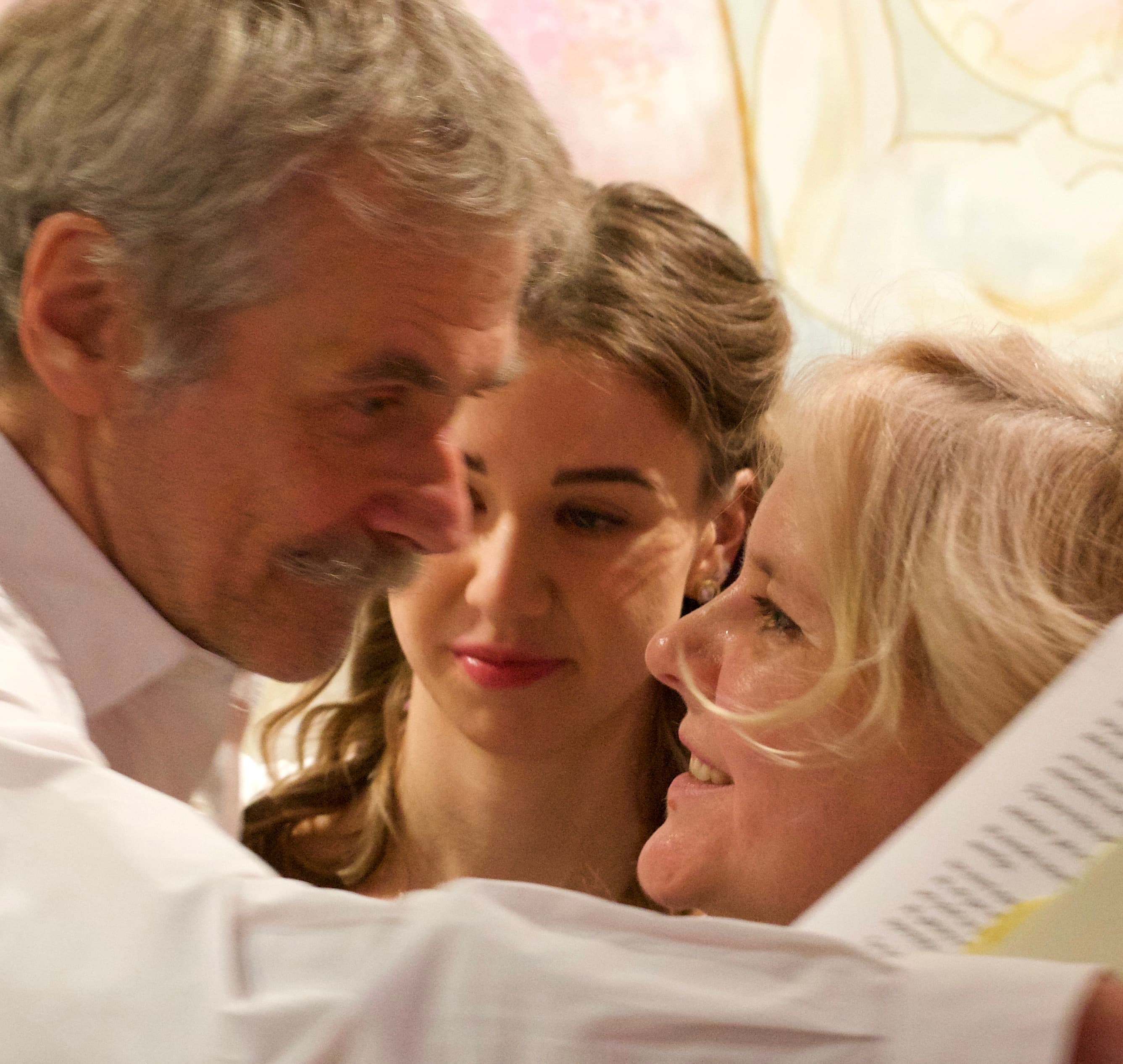
Graduate of the National Film School London, director ("Homo Novus").
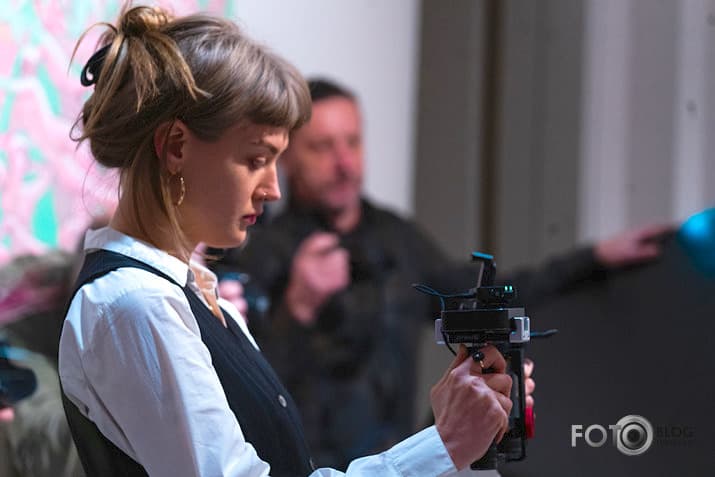
Student at the Latvian Academy of Culture, manages international coordination.
Author of the digital works, codebase, and site architecture.
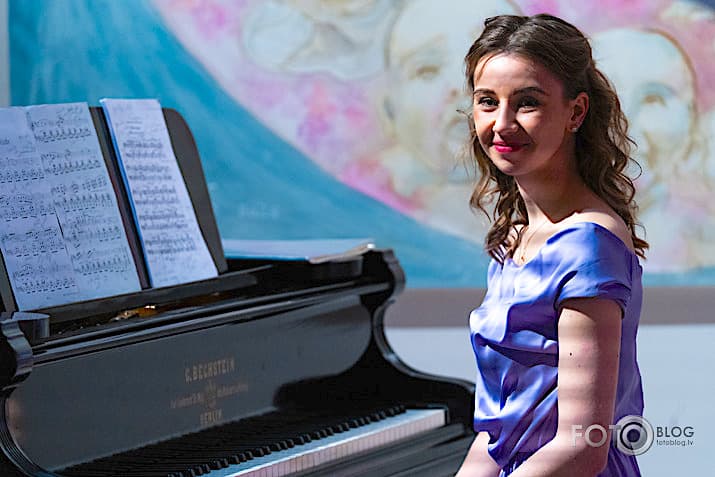
Performs Beatrice's role and Mozart compositions at opening concerts.
4. Technical Specifications
5. Curatorial Requirements
Hosting the exhibition requires a spacious public museum or contemporary art center with high ceilings (minimum 4 meters recommended). Because the paintings represent a continuous narrative sequence, the works are installed in three distinct thematic zones matching the cantiche. The layouts are adaptable to various architectural floor plans and are accompanied by artist talks and curatorial workshops.
Format & Presentation
The paintings are made for a darkened room: black ground, each canvas lit on its own. This is not a matter of taste but part of the work, and it is the same condition reproduced online in museum mode. The three cantiche form a sequence of three distinct light and sound environments, so a host institution can use its own architecture as part of the narrative.
The opening at the Jūrmala City Museum showed that the cycle holds a live programme in the same room as the paintings: the artist, trained as an actor, read passages from Dante aloud, pianist Evelīne Jēkabsone performed the part of Beatrice, and the opening programme was curated by Anna Viduleja. This is a proven format rather than an intention, and it scales from a single evening to a recurring programme across the run of the exhibition.
The components below are offered to the host institution as modules. Each can be used or dropped on its own; the paintings remain the primary work.
- Spoken word. Passages from Dante performed live in Latvian, English or the host country's language; alternatively as a recording, with directional audio in each section.
- Music. A classical piano programme as the voice of Beatrice: performed live at the opening, or scored as a loop for the Paradiso section.
- Projection. Video on Dante as a historical figure and on the iconographic history of the Commedia, giving the historical frame that the paintings deliberately do not illustrate.
- Digital extension. The online museum mode and slideshow: usable as a station in the gallery, as material for schools before a visit, and as the version of the exhibition for remote audiences.
Video and sound cannot travel inside a PDF, which is why this page is the working document of the proposal: the PDF carries the concept, the checklist and the technical data, while the site carries the experience.