PUANTES
ПУАНТЫ
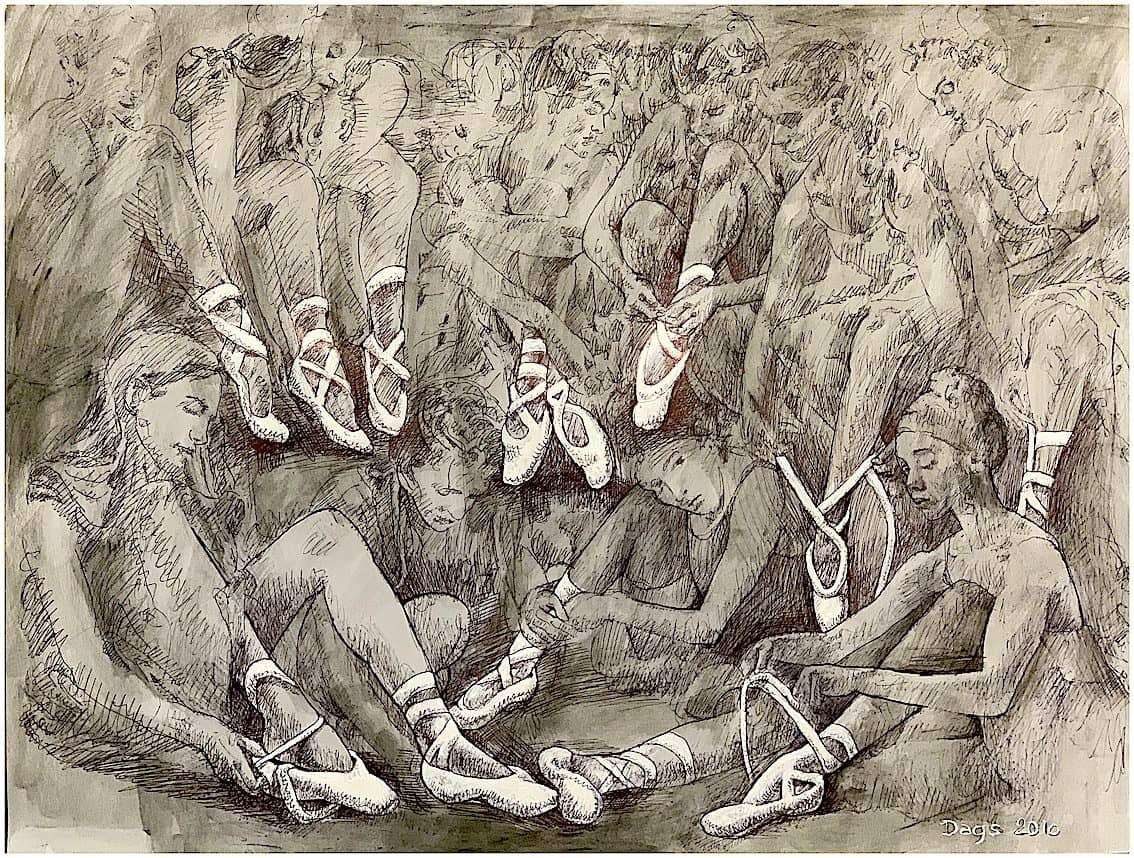
POINTE SHOES 50x65cm ink/ half cardboard 2010 This drawing shows a dense cluster of seated and reclining female figures sketched in brown and black ink, their bodies layered across a beige ground. White pointe shoes, some crisp and isolated, repeat around the edges and within the composition, creating sharp accents against the delicate line work. The artist builds the scene with crosshatching and loose contour lines, and the work appears signed at the lower right.
POINTE SHOES 50x65cm ink/ half cardboard ©️Dags Vidulejs
Dag CV
DYNASTY
Dags’ family has been professionally active and involved in culture for many generations. In the dynasties of cultural experts, In the deepest sense, the laws of culture are the same in art, music, literature, and new cinema. The strongest critics and teachers, Dags’ grandfather and great-grandfather played the organ and conducted choirs. Mother – cultural scientist, father – Opera Theater director, poet. Sister is a film director, cousin teaches art and her husband is the rector of the Academy of Arts. Dags studied at the Academy of Arts twice: both in the Department of Conceptual Painting and in the Faculty of Art Theory and Pedagogy
DIALOGUE
In search of their artistic authenticity, the combination of methods created their own technology, the main task of intellectual creation is to use the language of art to defend the socially discriminated sections of society. As the formations of civilisation change, so does the message and style of Dags’ art. The primary mission is to provoke the viewer into dialogue through catharsis. Words as a medium of communication have devalued due to lies in the public sphere, so the paintings are thought through for a long time by making countless sketches until they manage to incorporate a socially active message into the language of art. Dags’ creative method is a counterpoint to trying to make the viewer think by contrasting several symbolically structured layers of society’s subcultures in the form of a triptych. Dividing reality into humanity, civilization, urban environment, virtual reality and nature. However, technical virtuosity and experience allow the paintings to be executed in an “alla prima” method, which preserves the liveliness of the line and the ease of predicting the stroke of the brush stroke. Structuring anthropomorphic forms in abstract large-format compositions requires knowledge of anatomy by modulating shapes, experience in drawing, and the ability to collect large-format paintings in symphonies of dramatic laws that have been tested for centuries. Using transfigurative lines, build your own consciously structured canvas reality. The guiding principle is to try to find a new expression for painting as a medium. In the age of technocracy, compete with mobile technology media. It took many years and 1,000 drawings to learn to sketch figures from nature in order to be able to create compositions of anthropomorphic forms freely. Exhibiting large-format paintings in the counterpoint method in triptychs with current contemporary messages, achieving interactivity with the audience. The primary mission of Dags’ Art is to inspire the viewer to a conversation, to inspire love through the exchange
FOUNDER
While studying art theory and management, Dags toured the European Capitals of Art had the opportunity to explore how self-financing art life works in the world. Establishment and free exchange of non-governmental self-financing art traditions, symbolizing the free individualism of Western culture and Celts. Created for more than 300 international exchange art exhibitions. The social activity is to establish non-governmental structures in culture. By building the Museum of Contemporary Art – an exhibition and event space. “Pinakotēka-Rīga” 2000m2 with the efforts of the family of Viduleji in 2008. By establishing his own gallery Happy Art Museum with guest exhibitions, self-financing, without using state funds, traveling around the world from Hong Kong to Tel Aviv and Georgia. Looking behind the scenes, a sense emerged that Latvian art life lacks to be included in the real art world. That is why the Art Riga Fair was established, which allows Latvian artists to make contacts, sell works and compare them with guest artists and galleries from other countries that are held in Riga
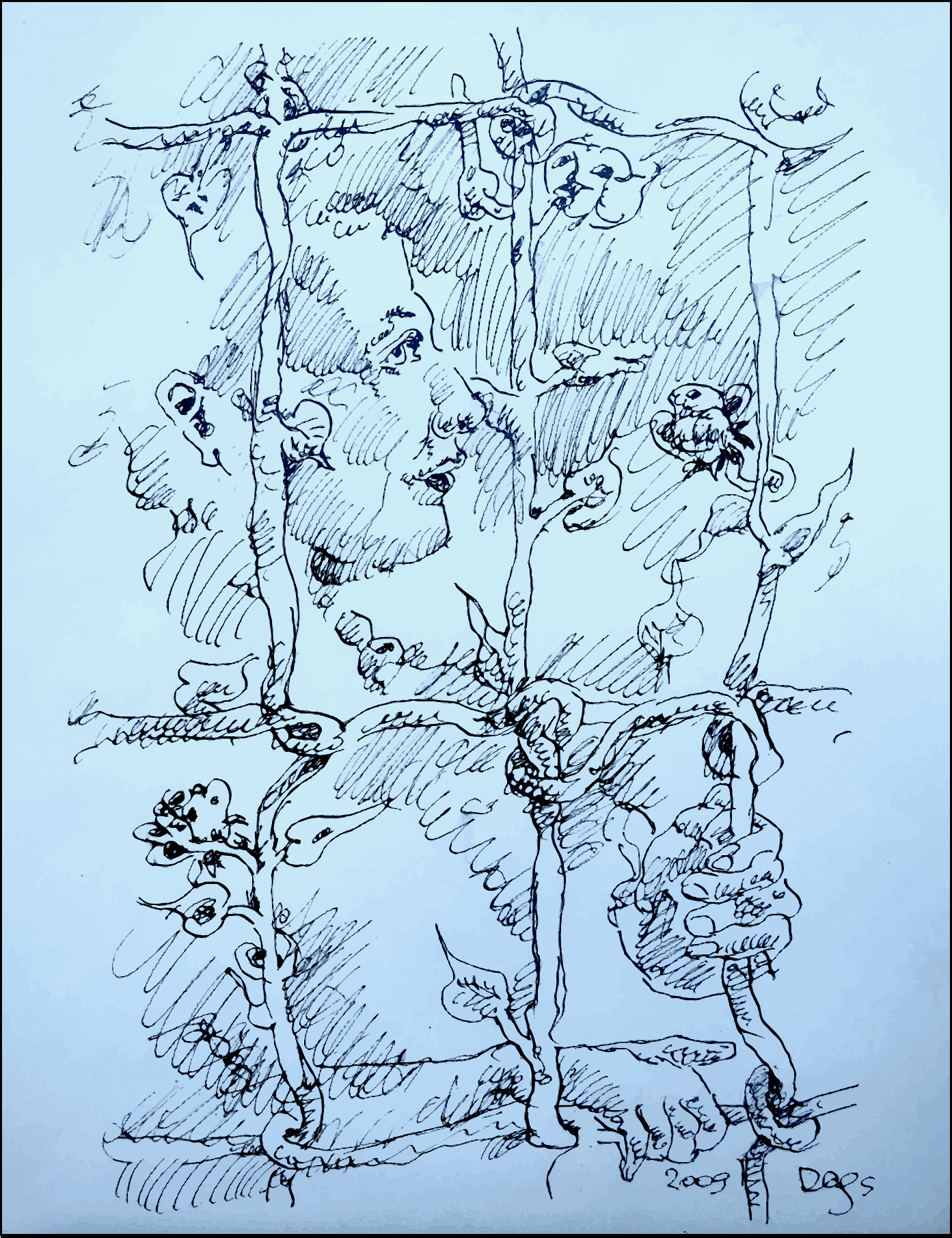
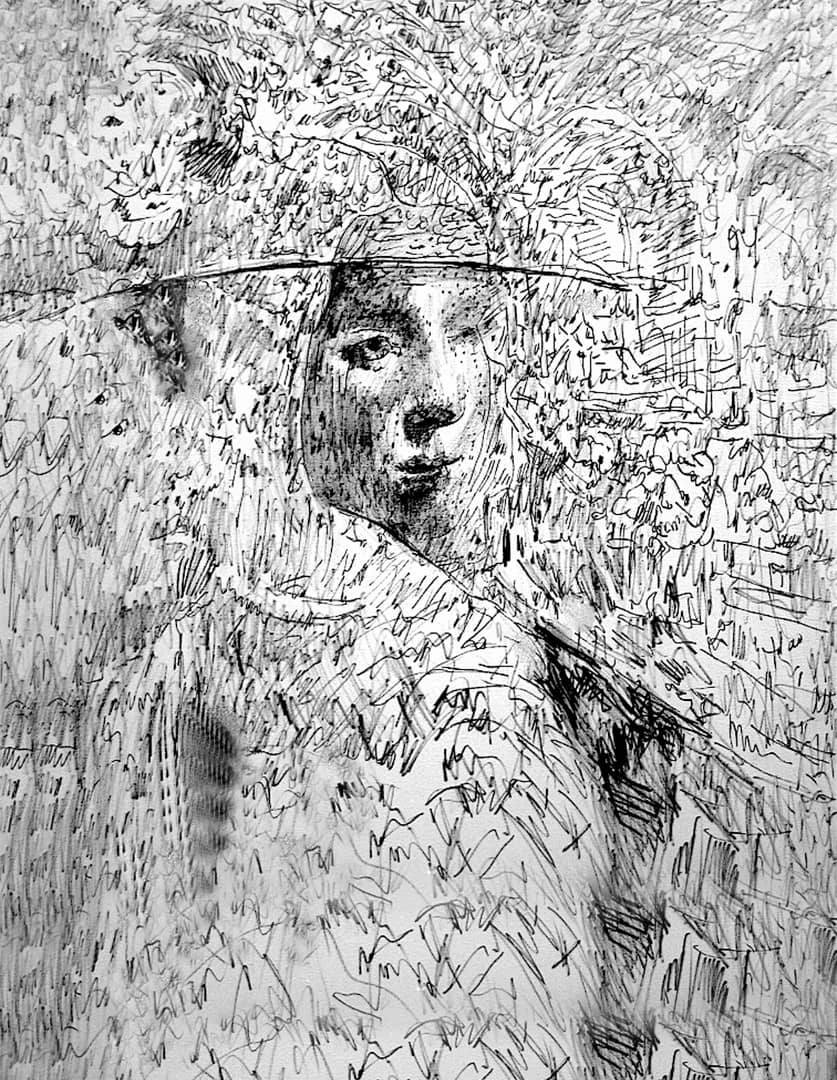
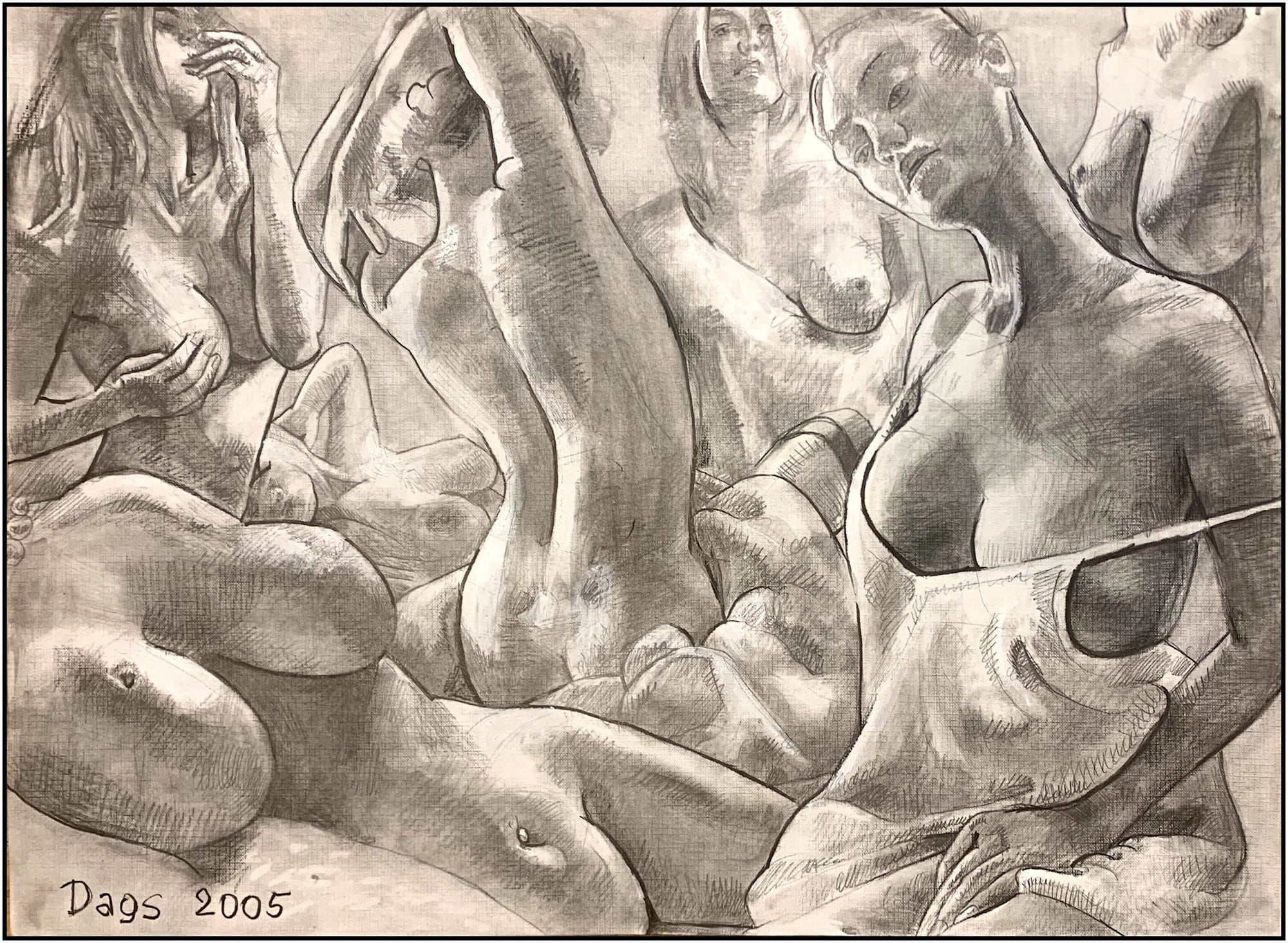 50 × 70cmSTUDENT HOSTEL€700.00Buy
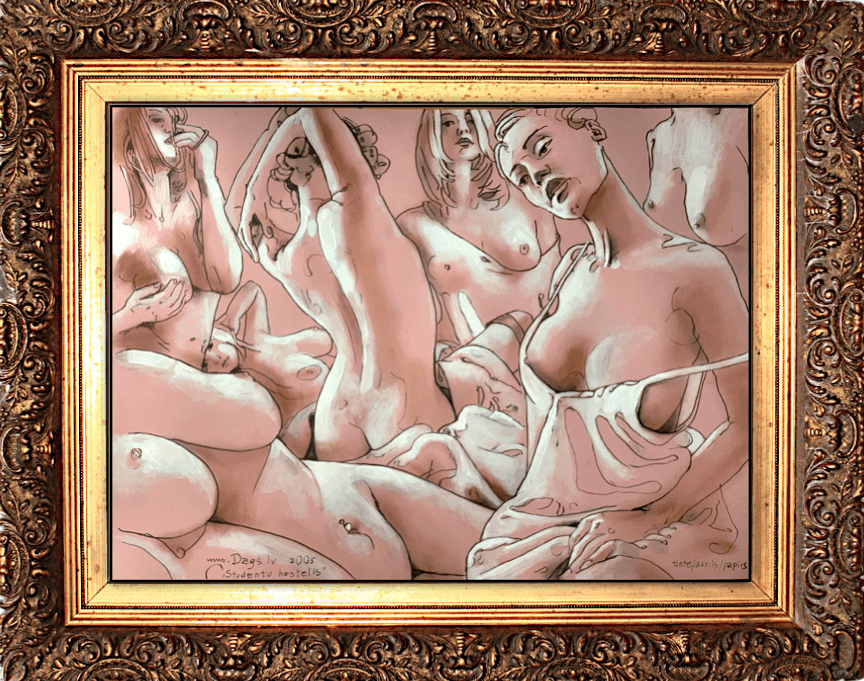 50 × 70cmHOSTEL€700.00Buy
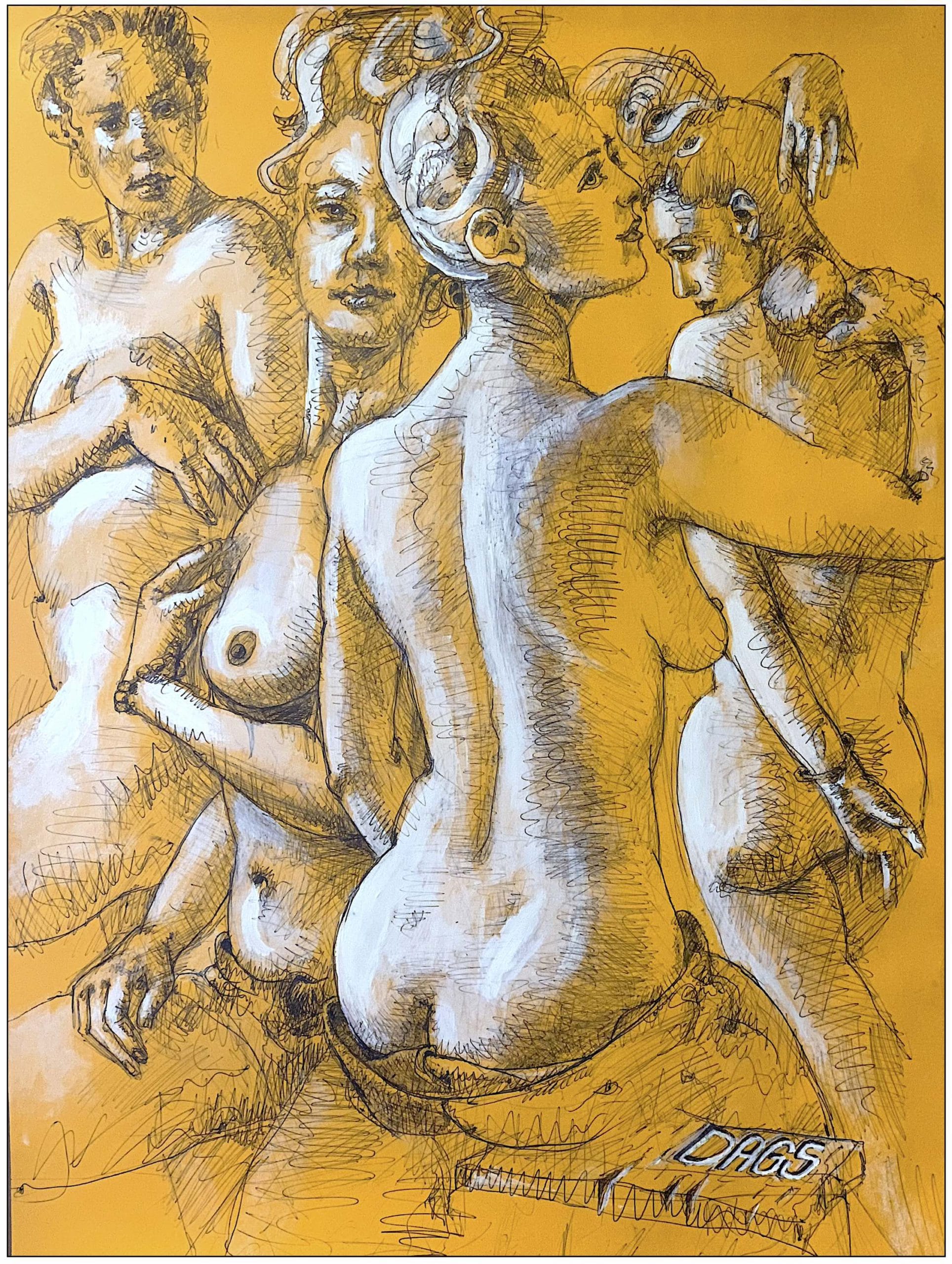 70 × 50cmValentine's Day€1,200.00Buy
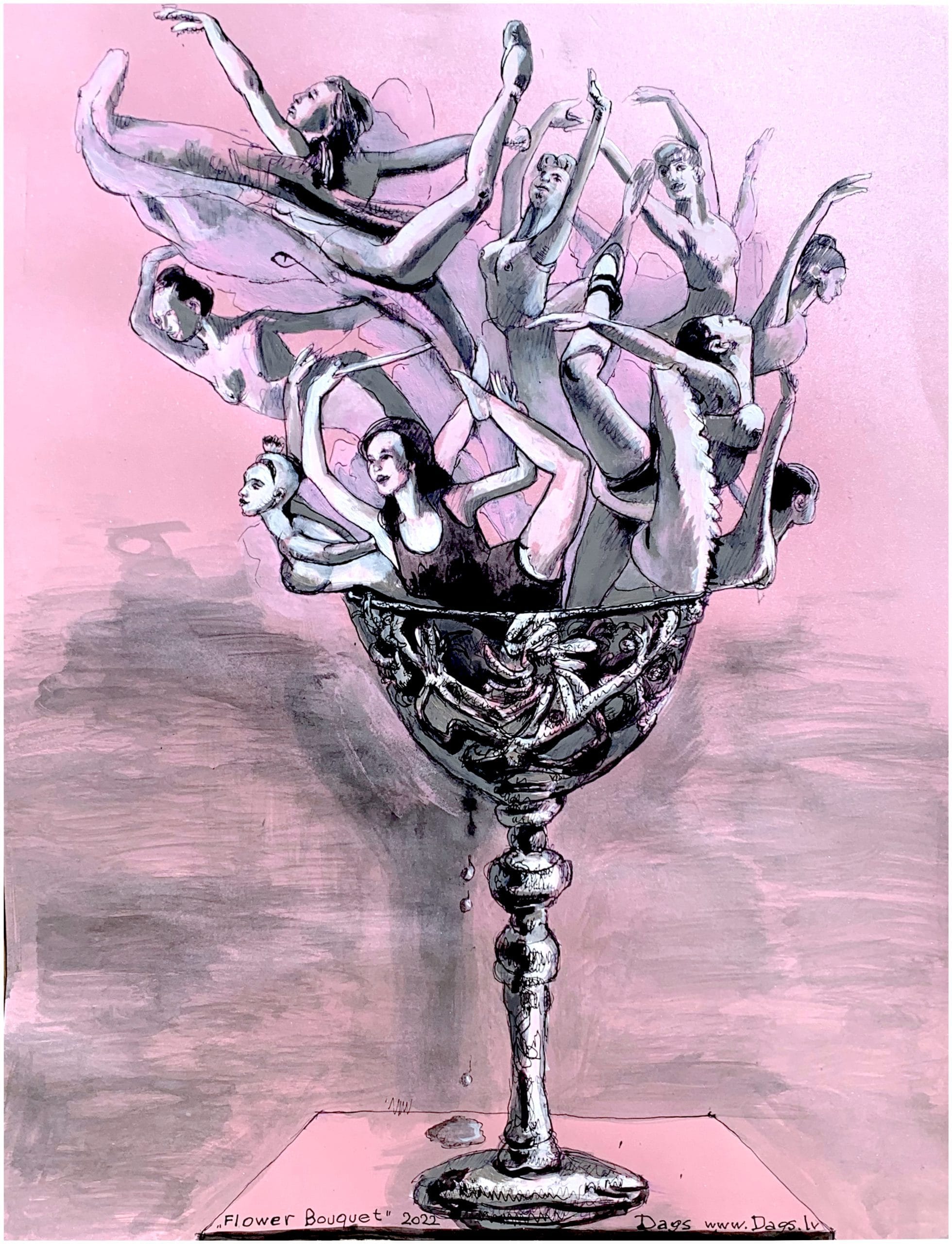 65 × 50cmFLOWER BOUQUET€1,000.00Buy
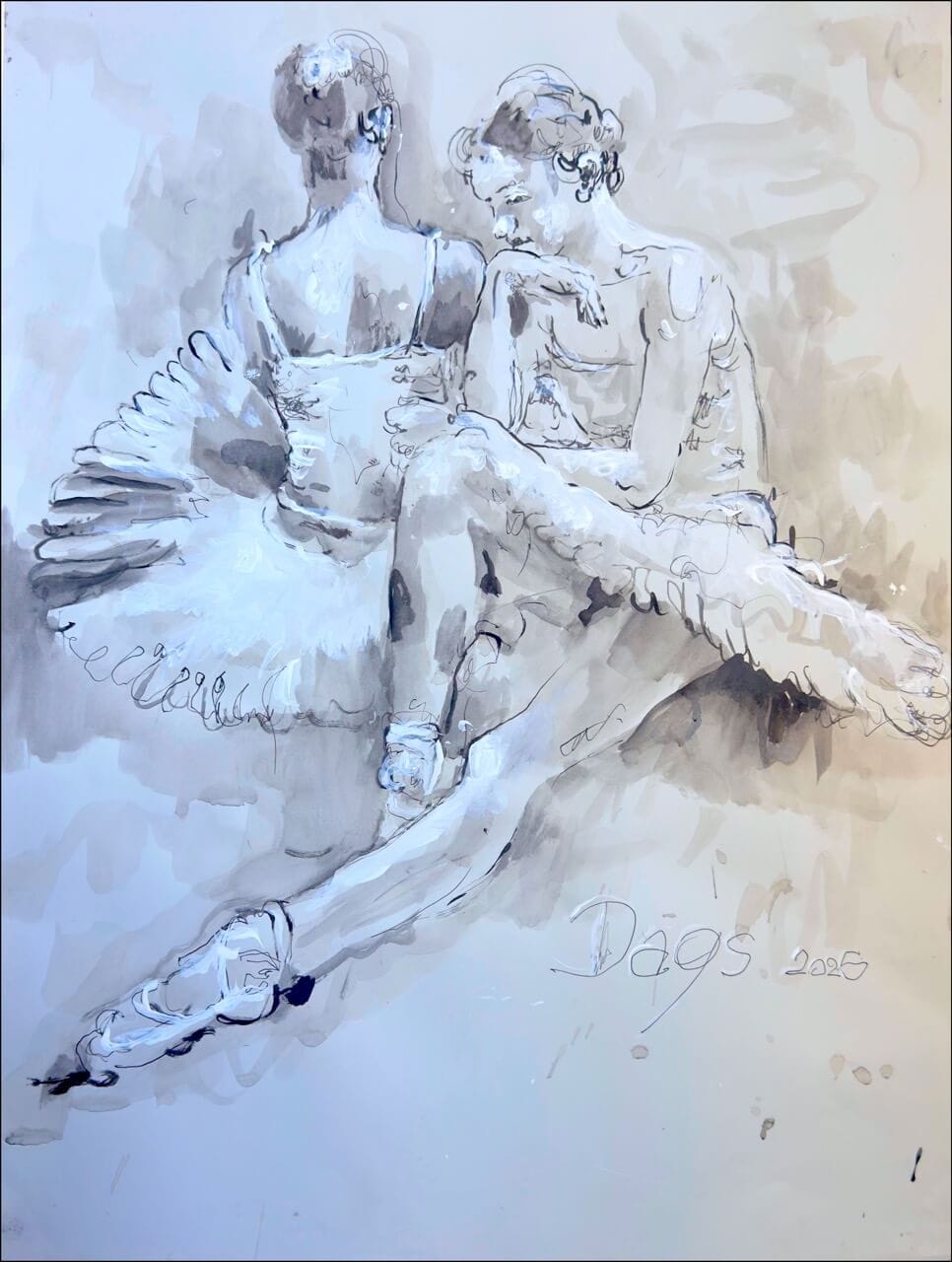 70 × 50cmBalets, draudzeņu konkurence€600.00Buy
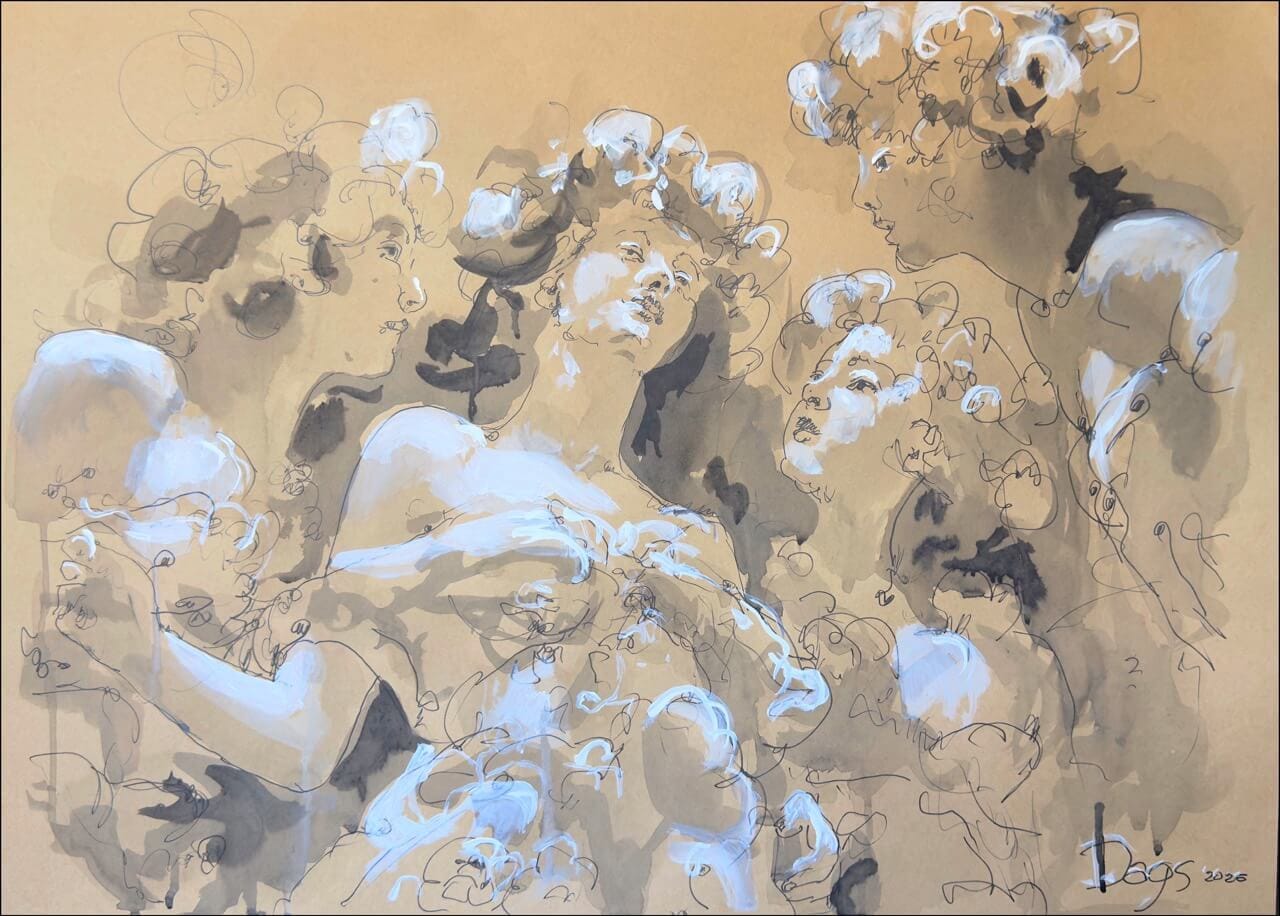 50 × 70cmBalets, Saruna buduārā€500.00Buy
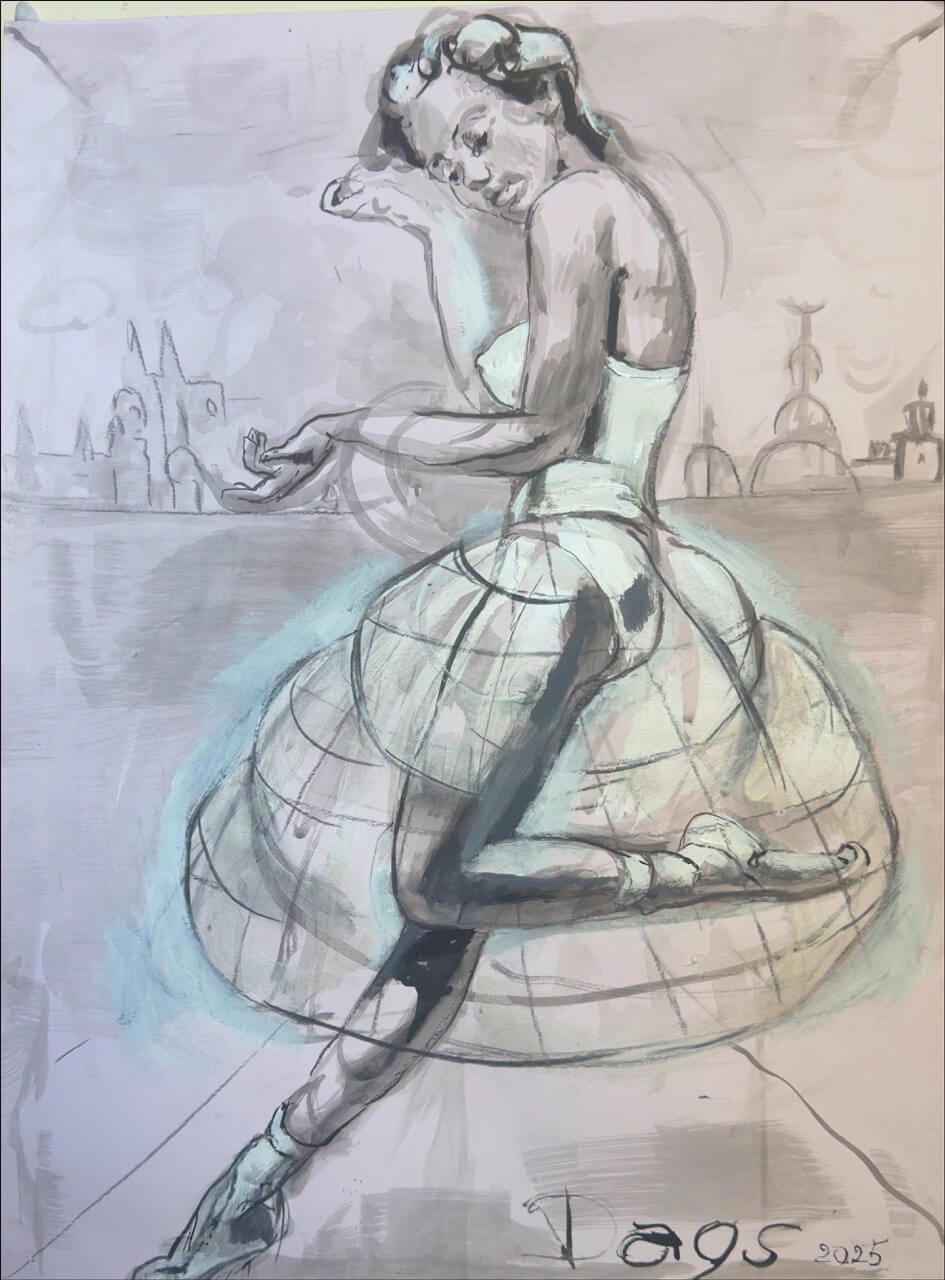 70 × 50cmBallet on Riga Beach€500.00Buy
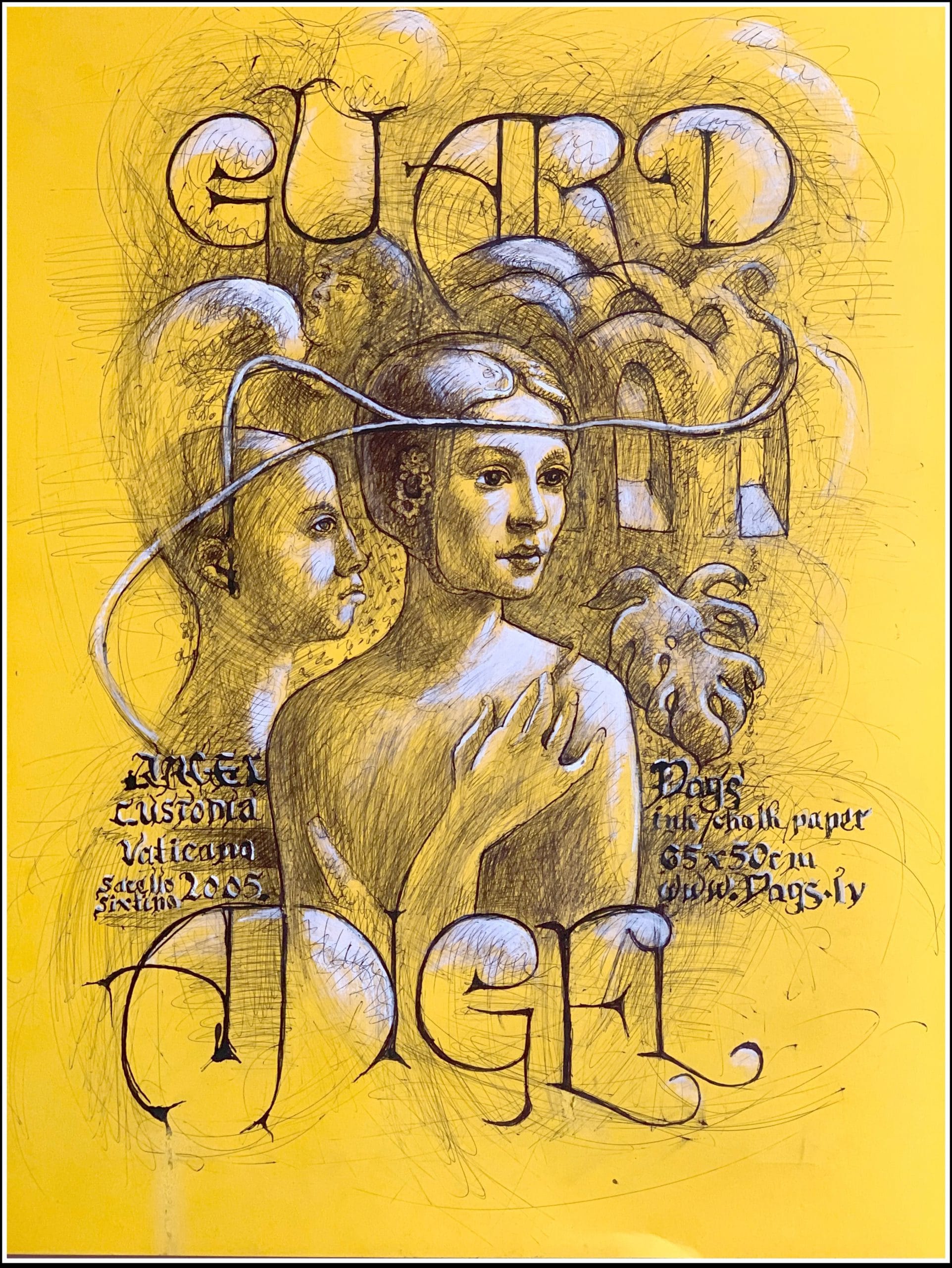 60 × 40cmANGELUS CUSTODIA€500.00Buy
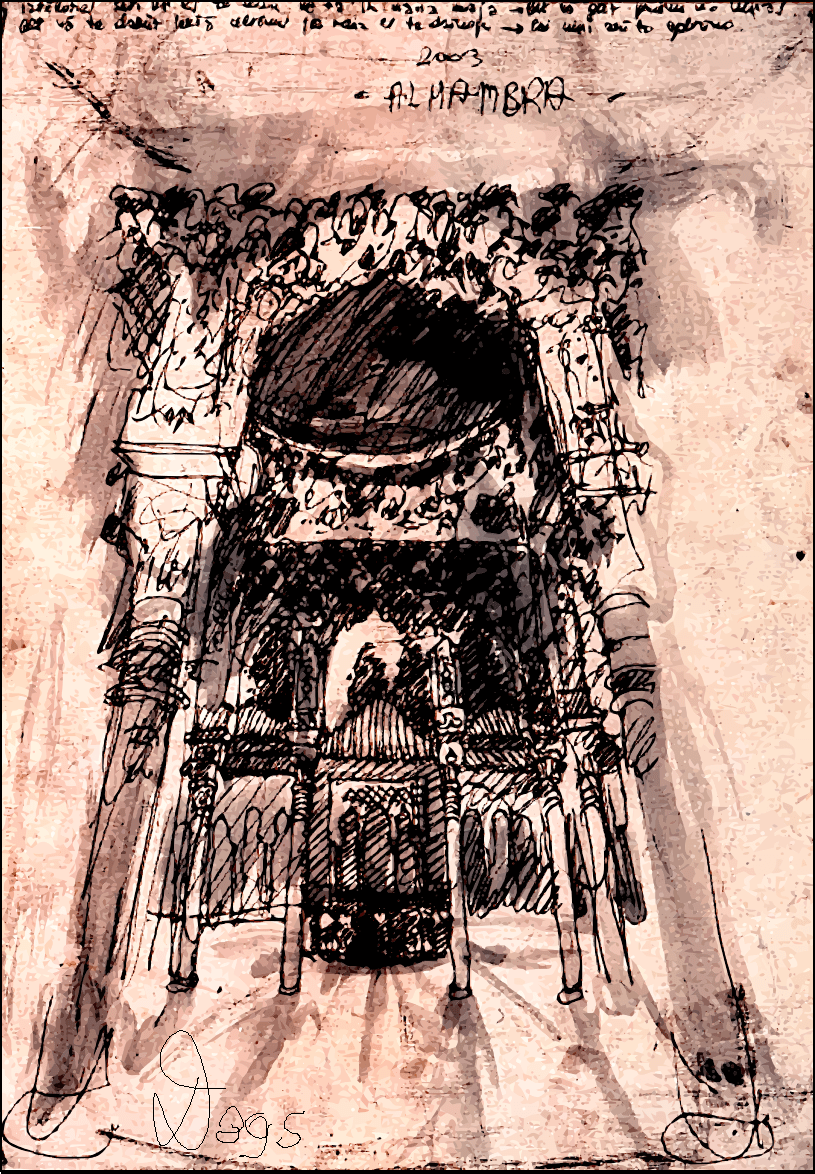 60 × 40cmALHAMBRA€500.00Buy
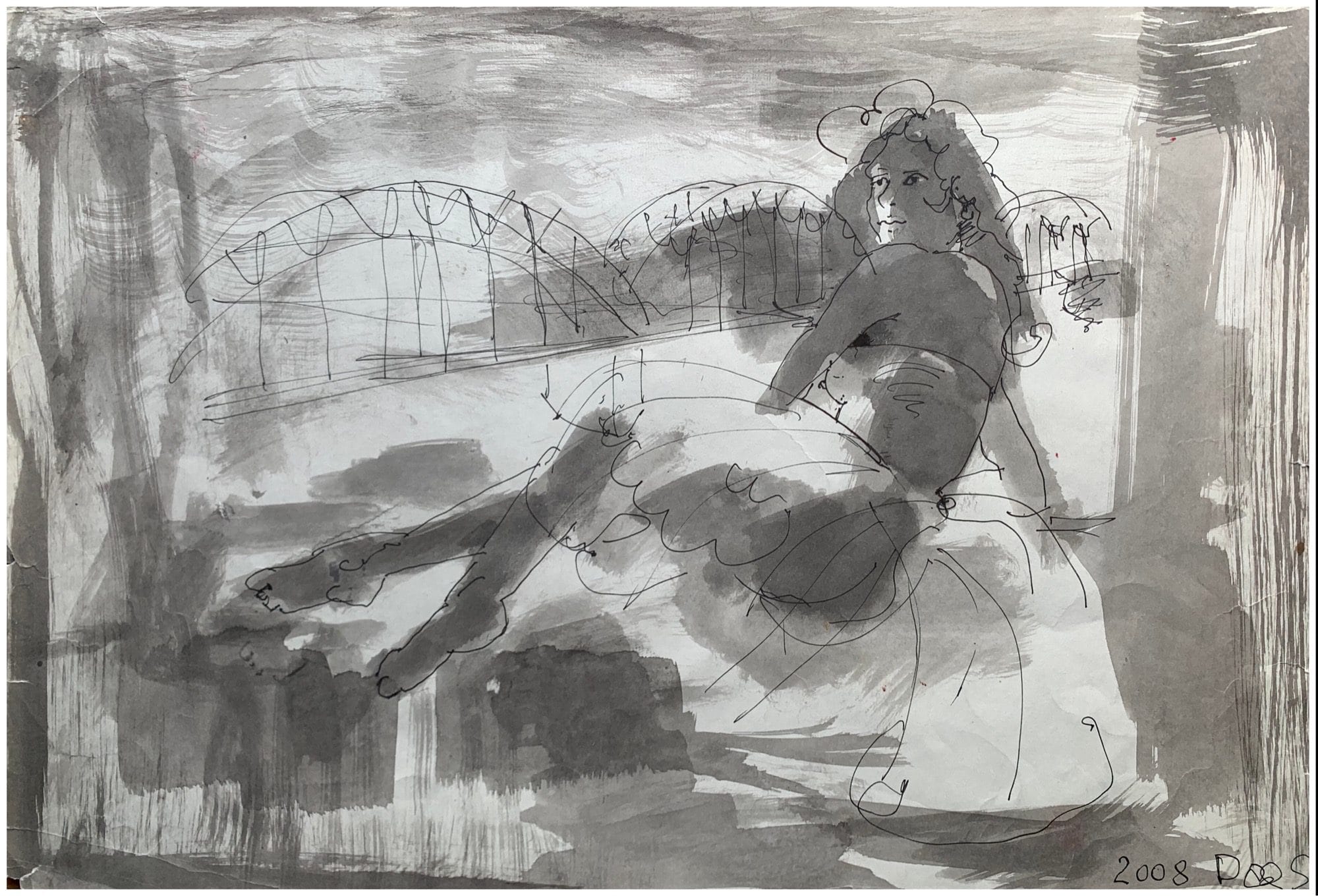 50 × 70cmBEHIND WINDOW€500.00Buy
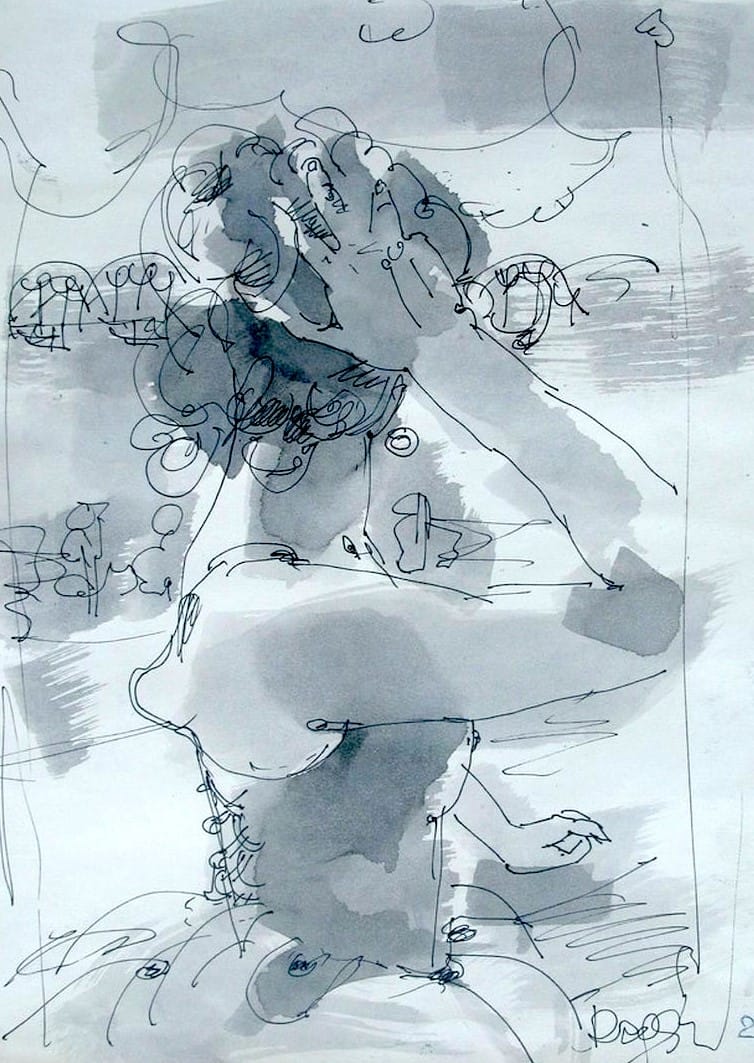 60 × 40cmBEHIND SKY€500.00Buy
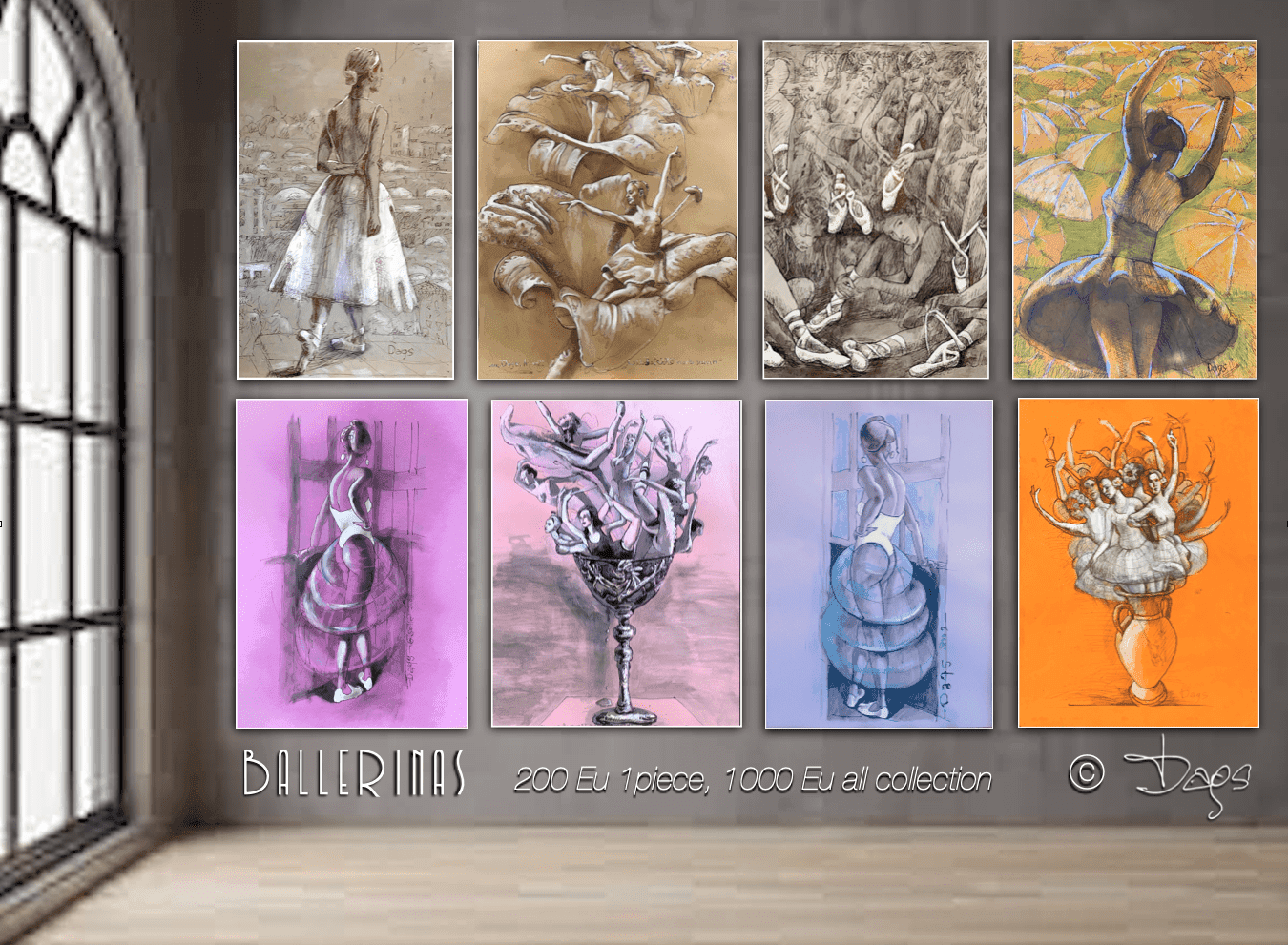 50 × 70 cm8 BALLERINAS€3,500.00Buy
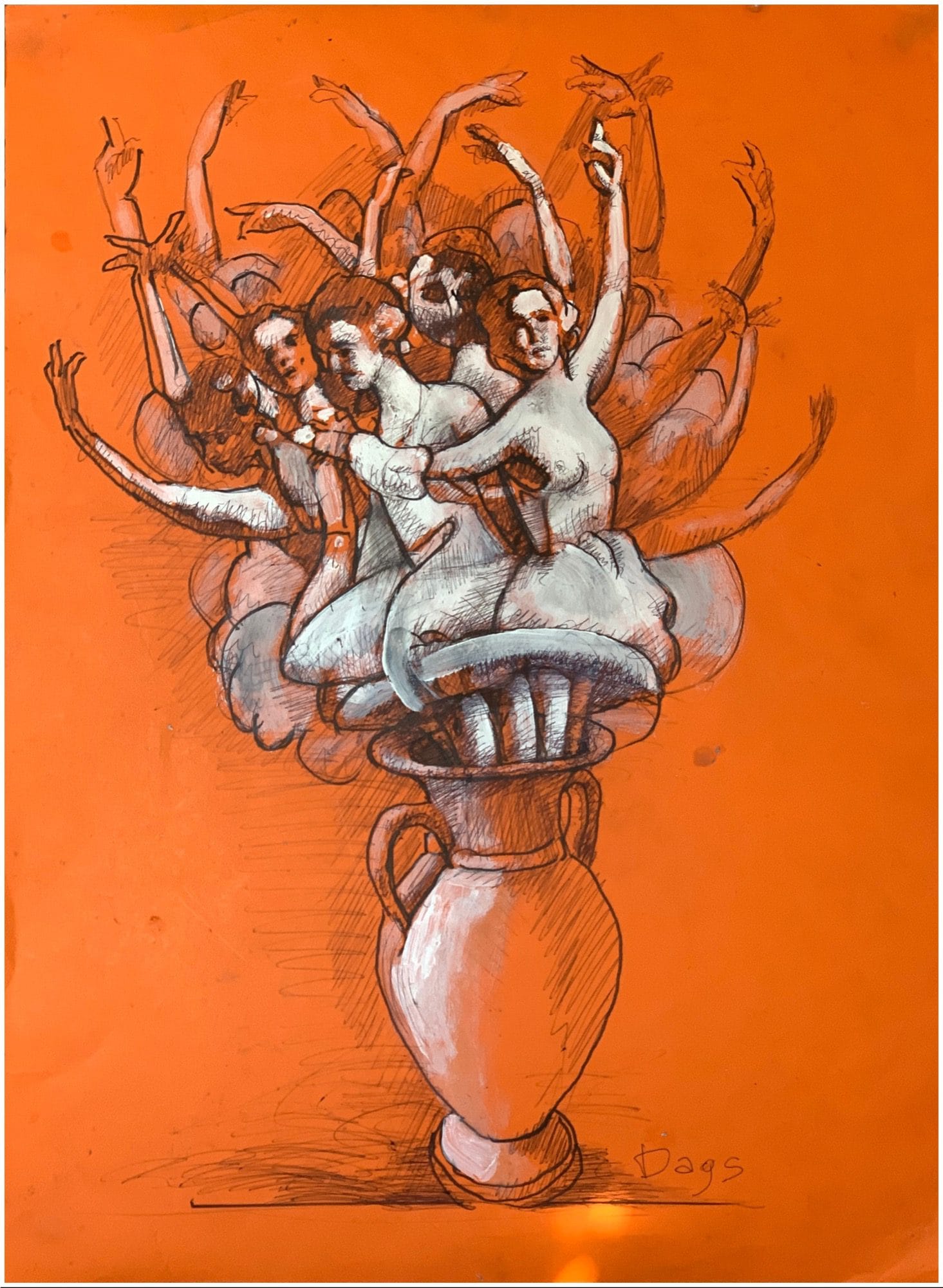 65 × 50cmBOUQUET OF FLOWERS€700.00Buy
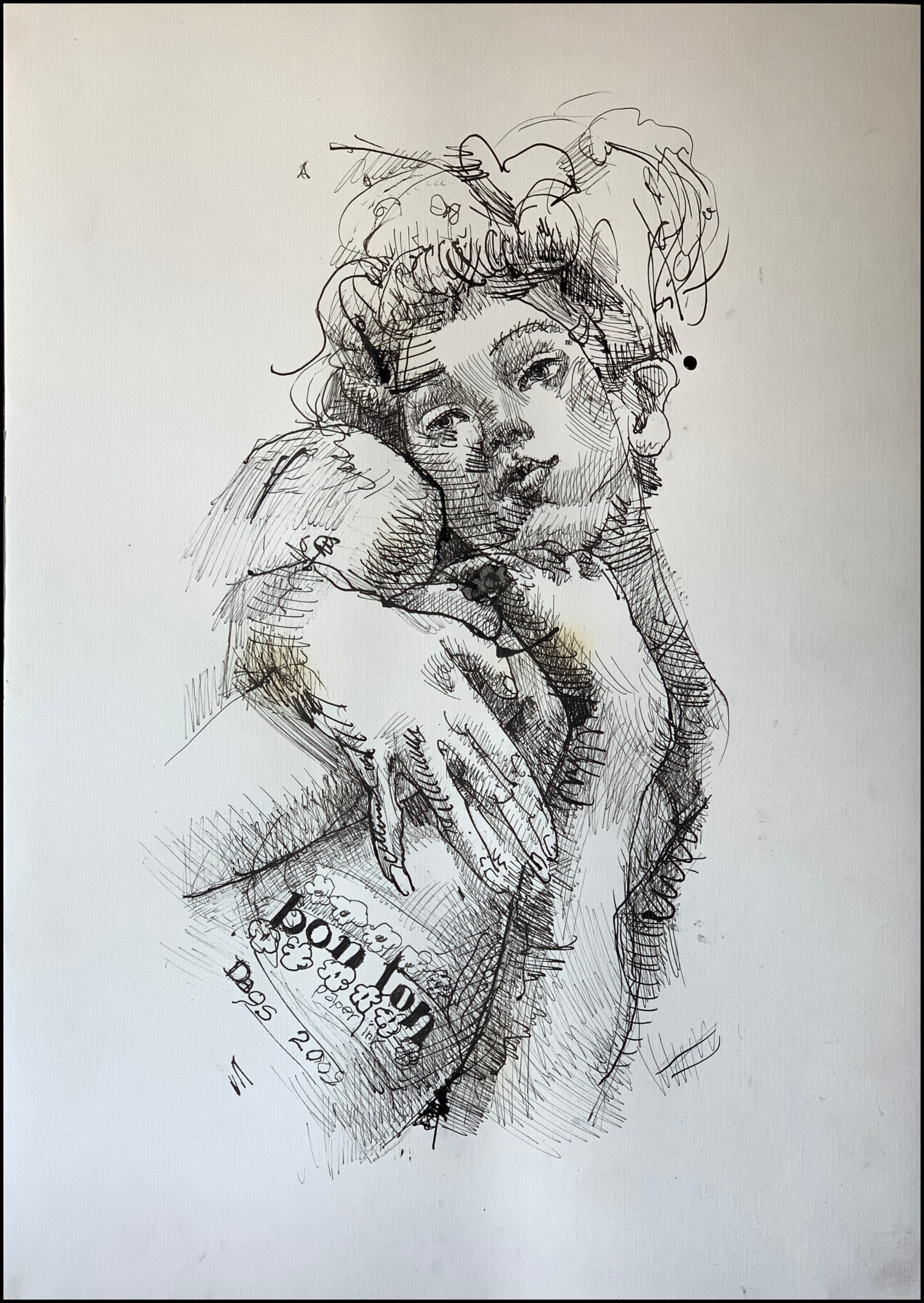 60 × 40cm / 40 × 30cmBON TON€500.00Buy
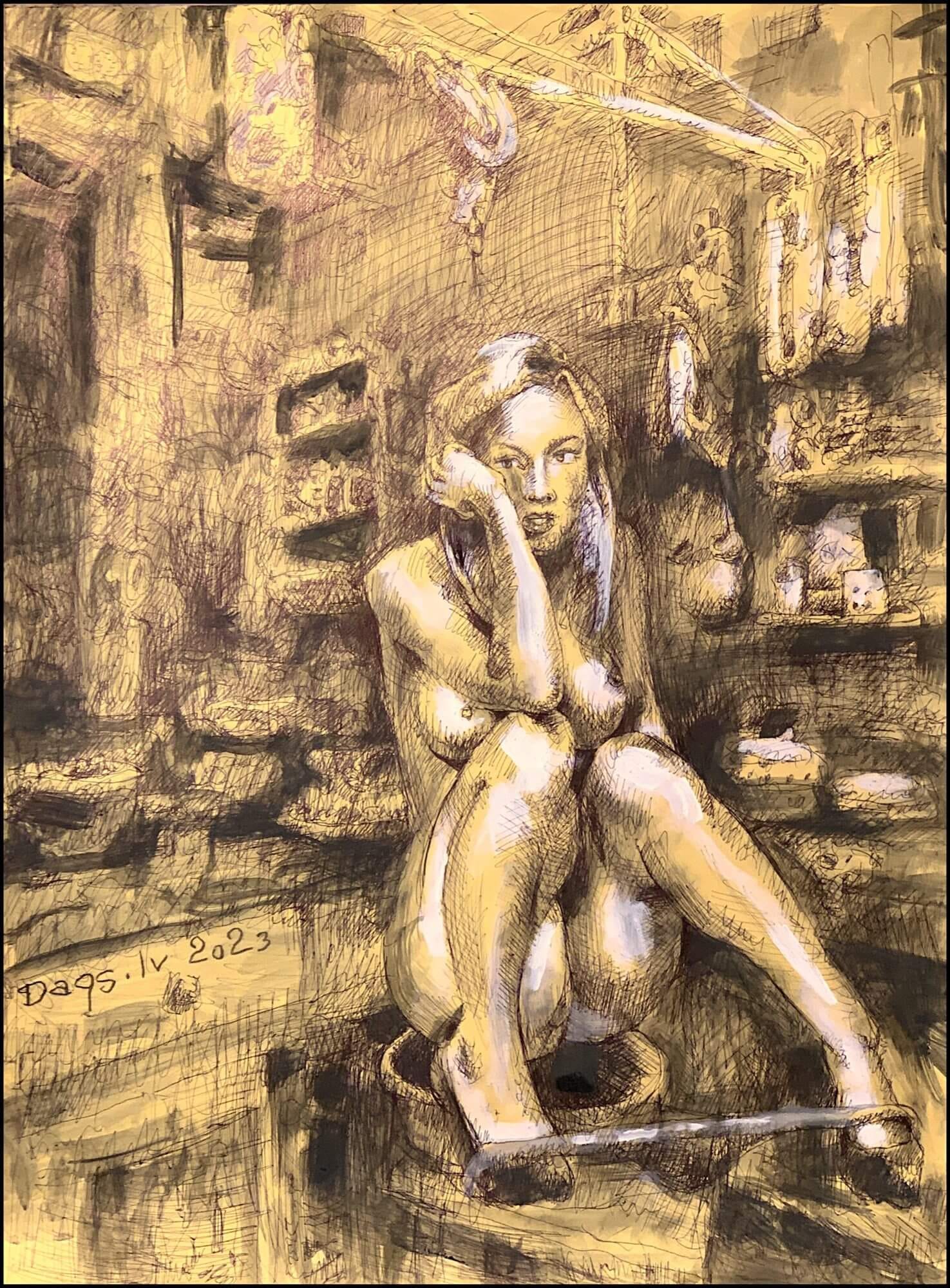 65 × 50cmCO2 WATER SAVING QUOTAS€700.00Buy
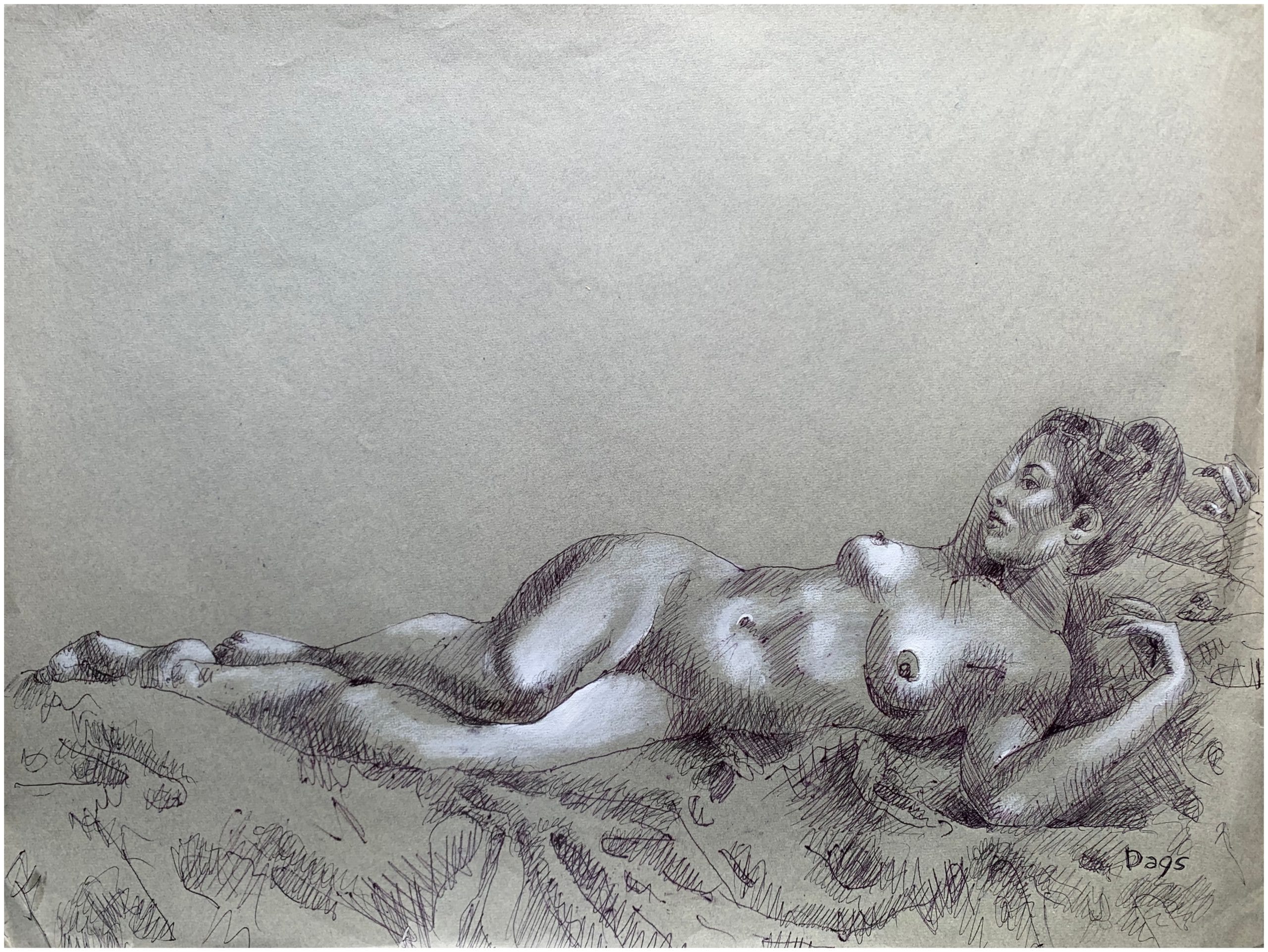 60 × 40cmDANAJA€500.00Buy
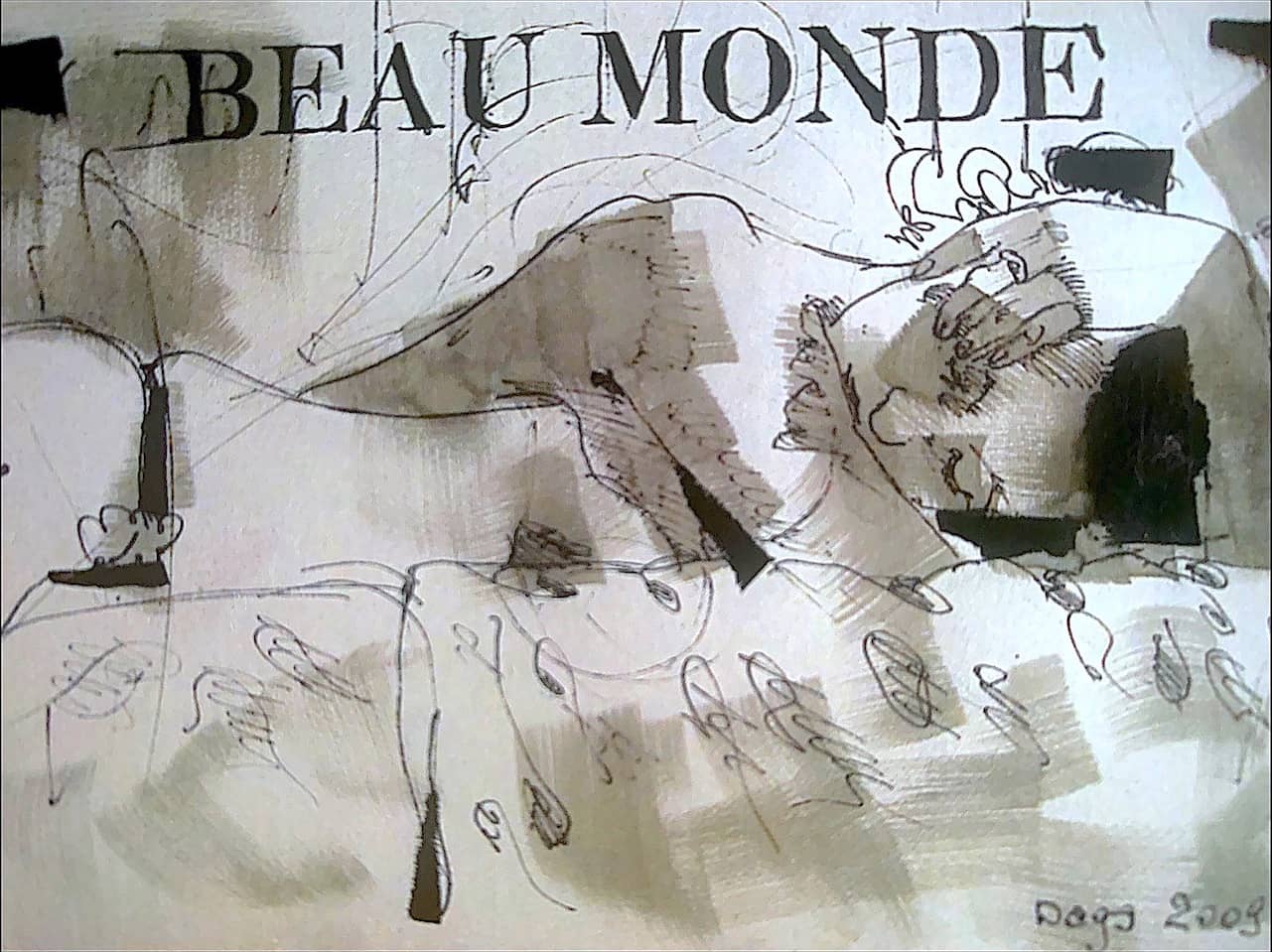
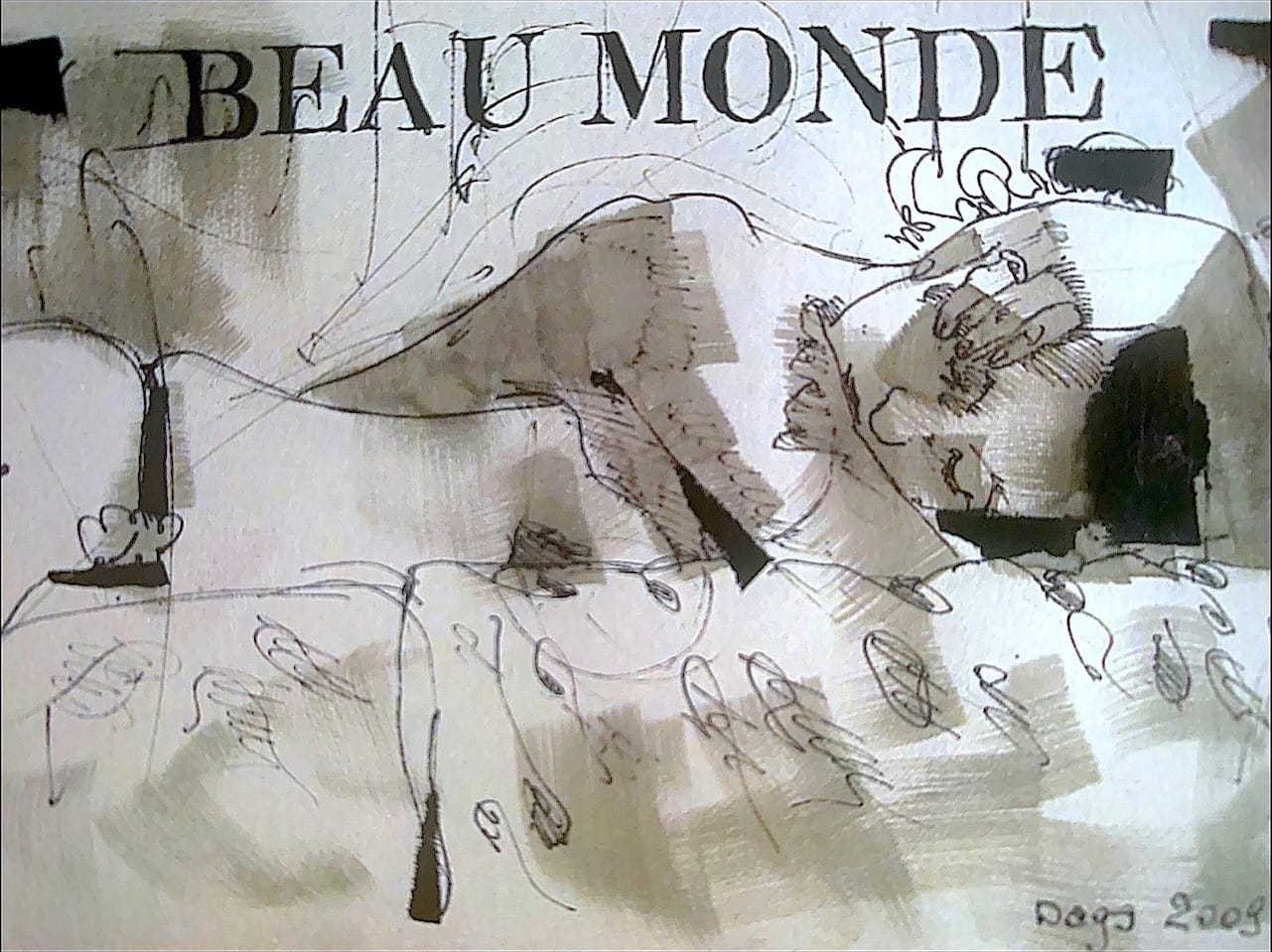 70 × 50cmBEAU-MONDE€700.00Buy
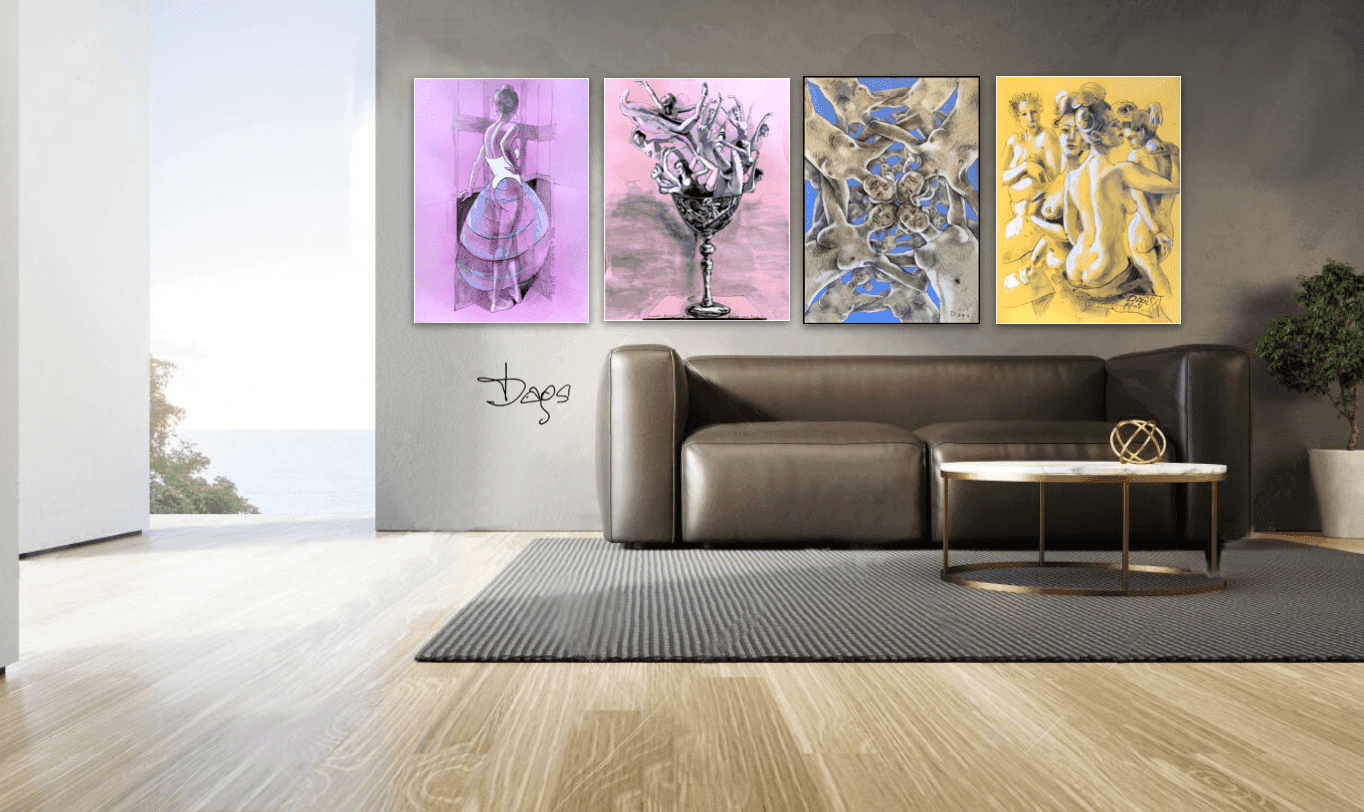 200 × 70 cmFLOWER BOUQUET€2,000.00Buy
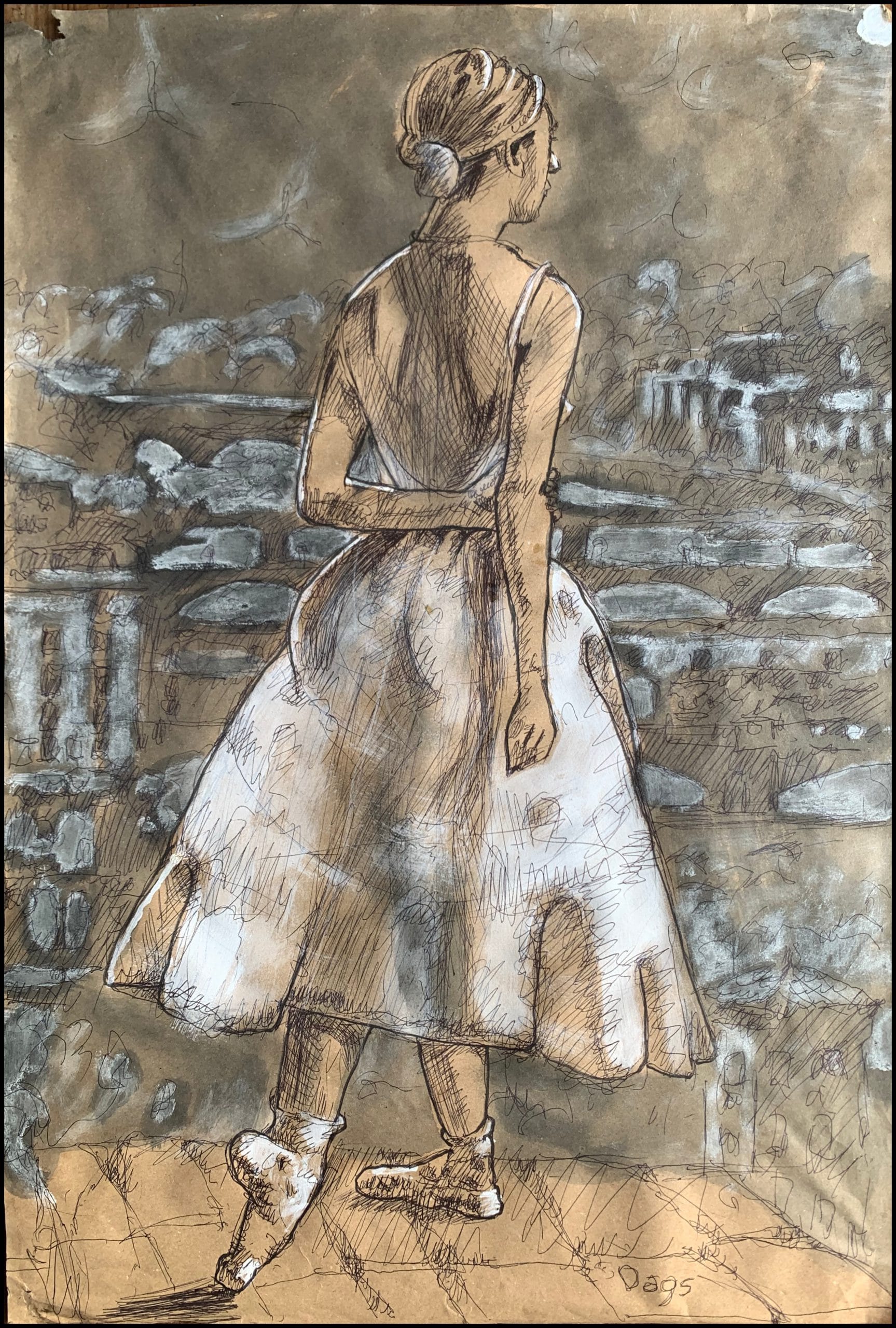 65 × 50cmFAIR POSITION€700.00Buy
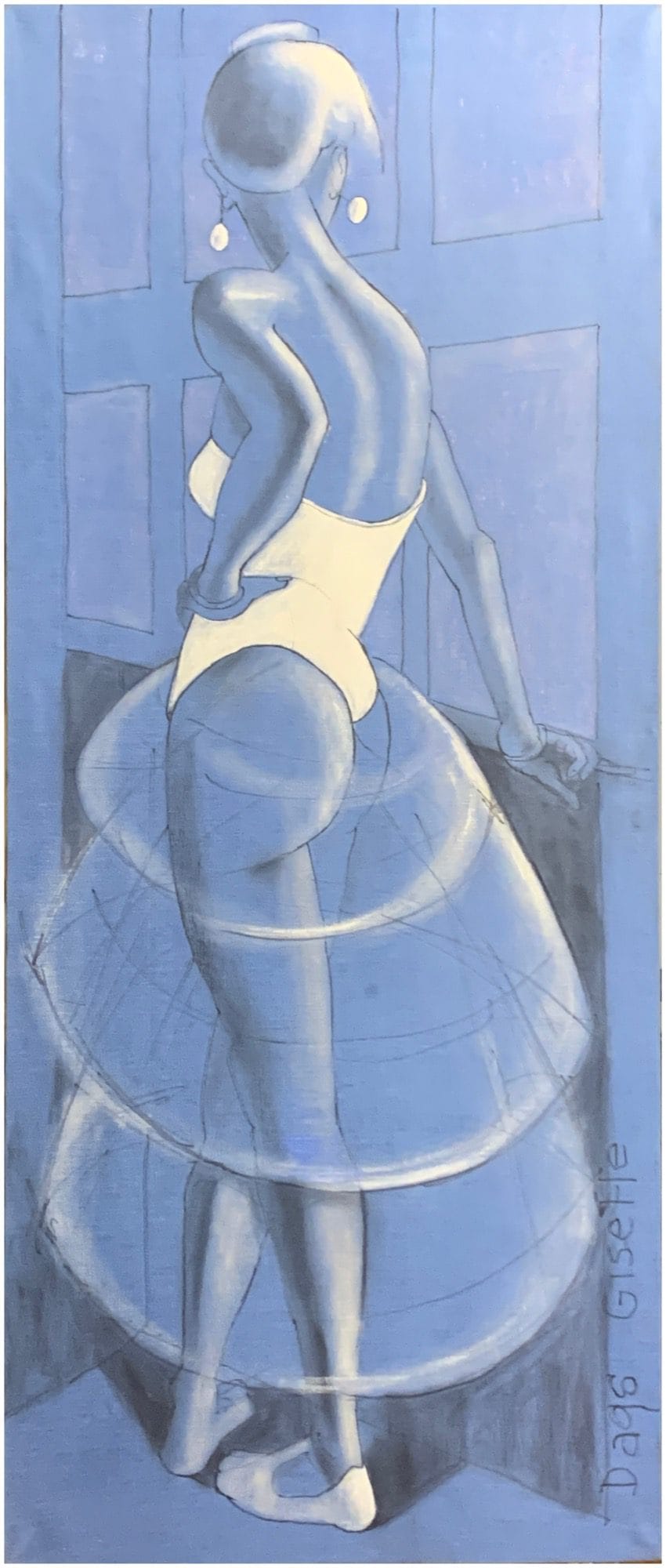 120 × 100cmGISELLE€1,200.00Buy