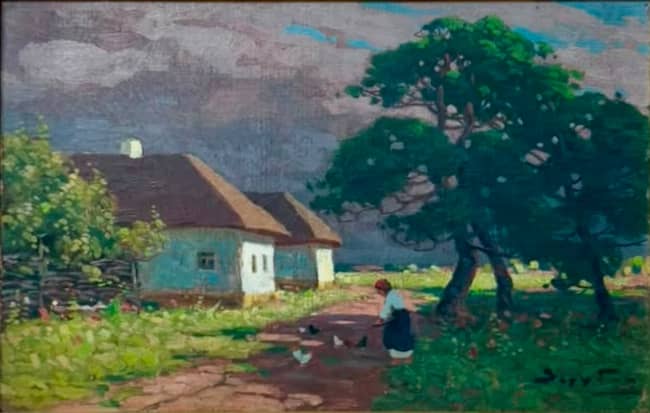
Кисилев - 32×22 (1874) Работа художника Александра Киселёва (мастера пейзажа, получившего звание академика позже, в 1899 году) 1875 года, относящаяся к периоду его жизни в Харькове и вхождения в круги передвижников, на аукционах графики и живописи оценивается в среднем от в зависимости от техники (рисунок карандашом или полноценное масло) и размера. [1, 2, 3] https://sovcom.ru/avtory/k/kiselev-a-a/
https://share.google/5EQM4edLVUYrrikP0
Факторы формирования аукционной стоимости
* Техника исполнения: Графические работы (карандаш, бумага) 1875 года имеют эстимейт в пределах 30 000 – 45 000 рублей, в то время как крупные живописные работы маслом этого периода могут стоить значительно дороже. []
*
* Значение в творчестве: 1875 год — переломный момент для Киселёва, когда его работы впервые получили признание передвижников, что повышает исторический интерес коллекционеров. [1]
*
* Экспертиза: Наличие подтвержденного заключения (например, ВХНРЦ им. Грабаря) обязательно для достижения максимальной цены на торгах.
Kiseļovs — 32×22 (1874) Mākslinieka Aleksandra Kiseļova (ainavu meistara, kurš akadēmiķa titulu ieguva vēlāk — 1899. gadā) 1875. gada darbs, kas attiecas uz viņa Harkivas dzīves posmu un iekļaušanos Peredvižņiku aprindās, grafikas un glezniecības izsolēs tiek vērtēts atkarībā no tehnikas (zīmulis vai pilnvērtīga eļļas glezna) un izmēra. https://sovcom.ru/avtory/k/kiselev-a-a/ https://share.google/5EQM4edLVUYrrikP0
Izsoles vērtību veidojošie faktori:
* Izpildījuma tehnika: 1875. gada grafikas darbu (zīmulis, papīrs) novērtējums ir 30 000 – 45 000 rubļu robežās, savukārt vērienīgi šī perioda eļļas darbi var maksāt ievērojami dārgāk.
* Nozīme daiļradē: 1875. gads ir pagrieziena punkts Kiseļova daiļradē, kad viņa darbi pirmo reizi guva Peredvižņiku atzinību, kas kāpina kolekcionāru vēsturisko interesi.
* Ekspertīze: Apstiprināts eksperta slēdziens (piemēram, Grabara vārdā nosauktā VHNRC) ir obligāts priekšnoteikums maksimālas izsoles cenas sasniegšanai.
to introduce you to two important figures of the Russian and Ukrainian artistic tradition: Viktor Ivanovich Zarubin and Alexander B Alexandrovich Kiselyov. Let us begin with Viktor Zarubin.
Born in 1866 and passing away in 1928, Zarubin was a versatile painter, graphic artist, and stage designer. His journey started in Kharkiv, but his education took him further—first to Paris, where he studied at the prestigious Académie Julian, and later to Saint Petersburg, entering the studio of the legendary landscape master Arkhip Kuindzhi. By 1909, his immense talent earned him the official title of Academician.
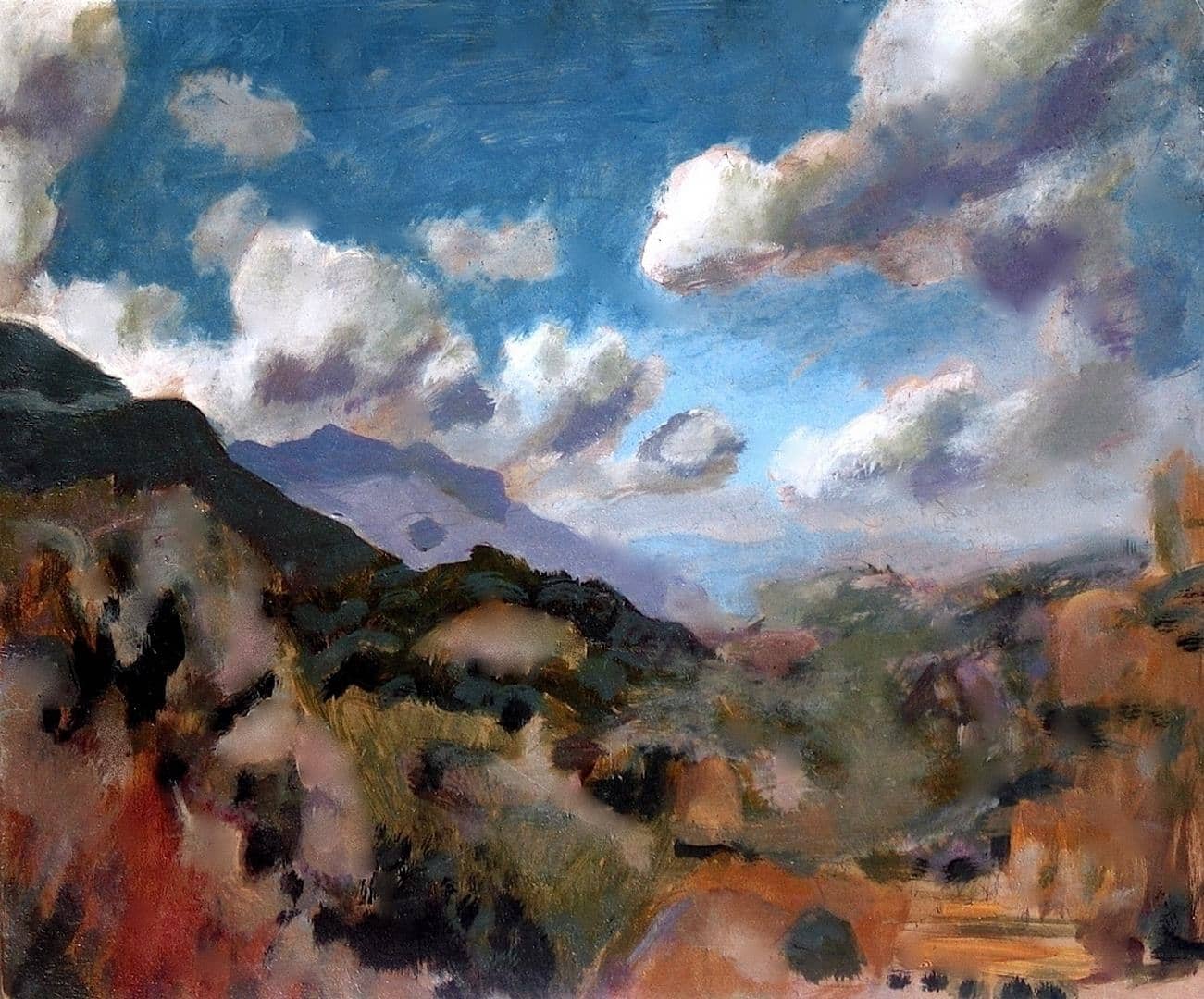
Zarubin’s heart truly belonged to the landscape. In his works, light, atmosphere, and delicate, breathing shifts of color are paramount. The specific piece we are looking at today measures twenty-six by sixteen centimeters. Now, despite its relatively small format, several vital factors dictate its true market value. First, the technique. Second, the physical condition. And finally, the subject matter, the artist's signature, and its documented provenance.
When looking at auction records, prices for Zarubin’s classical works vary widely. While small studies and intimate miniatures command more modest figures, important and fully developed oil paintings can easily reach high five-figure or even six-figure amounts. For any serious collector, professional authentication is an absolute necessity. A solid, documented provenance builds unshakeable confidence in the piece and elevates its market potential significantly.
Now, let us turn our attention to the second master: Alexander Alexandrovich Kiselyov. Born in 1838, Kiselyov lived until 1911, establishing himself as a prominent Russian landscape painter and a full member and Academician of the Imperial Academy of Arts. Much like Zarubin, his early artistic life was deeply rooted in Kharkiv, and he later became closely associated with the Peredvizhniki—the iconic group of Russian traveling artists who revolutionized the local art scene.
The Kiselyov work featured here measures thirty-two by twenty-two centimeters. It belongs to a particularly intriguing period of his career, with the year 1875 standing out as a critical milestone for studying his artistic evolution and his connections to the intellectual and creative circles of the era. For pieces from this specific timeline, collectors look closely at the technique, overall condition, subject, and expert certification. While graphic works maintain moderate and approachable estimates, high-quality oil landscapes with strong provenance can achieve remarkable sums on the antique market.
So, what truly makes these two works so captivating? It is never just about physical dimensions. It is never just a famous signature. Real value is born from the harmony of many delicate elements: the artist's legacy, the historical period, the mastery of technique, artistic quality, condition, provenance, and professional authentication. Together, these elements weave the history and the market power of an artwork—and that is precisely what makes art collecting such an endlessly fascinating journey.

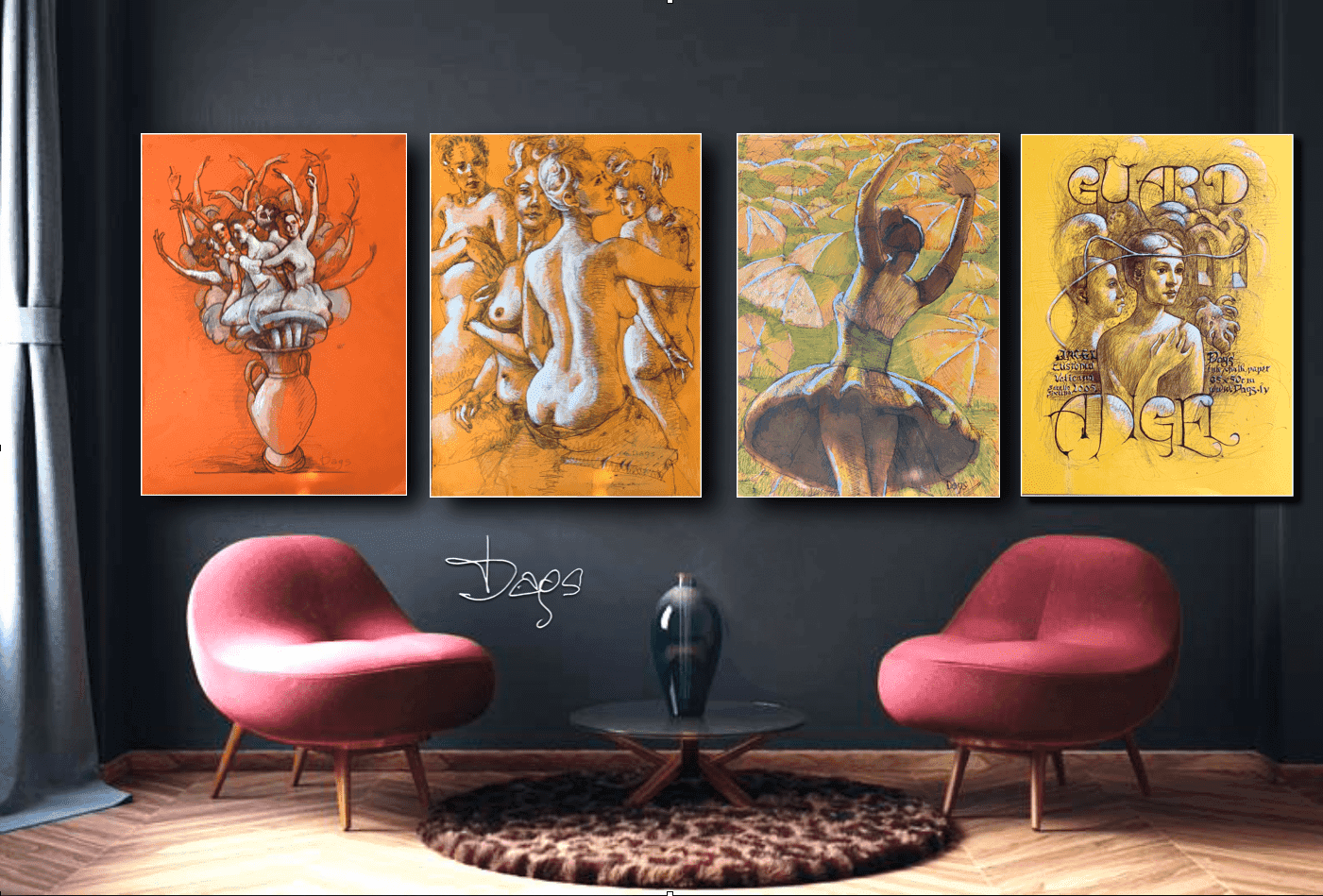

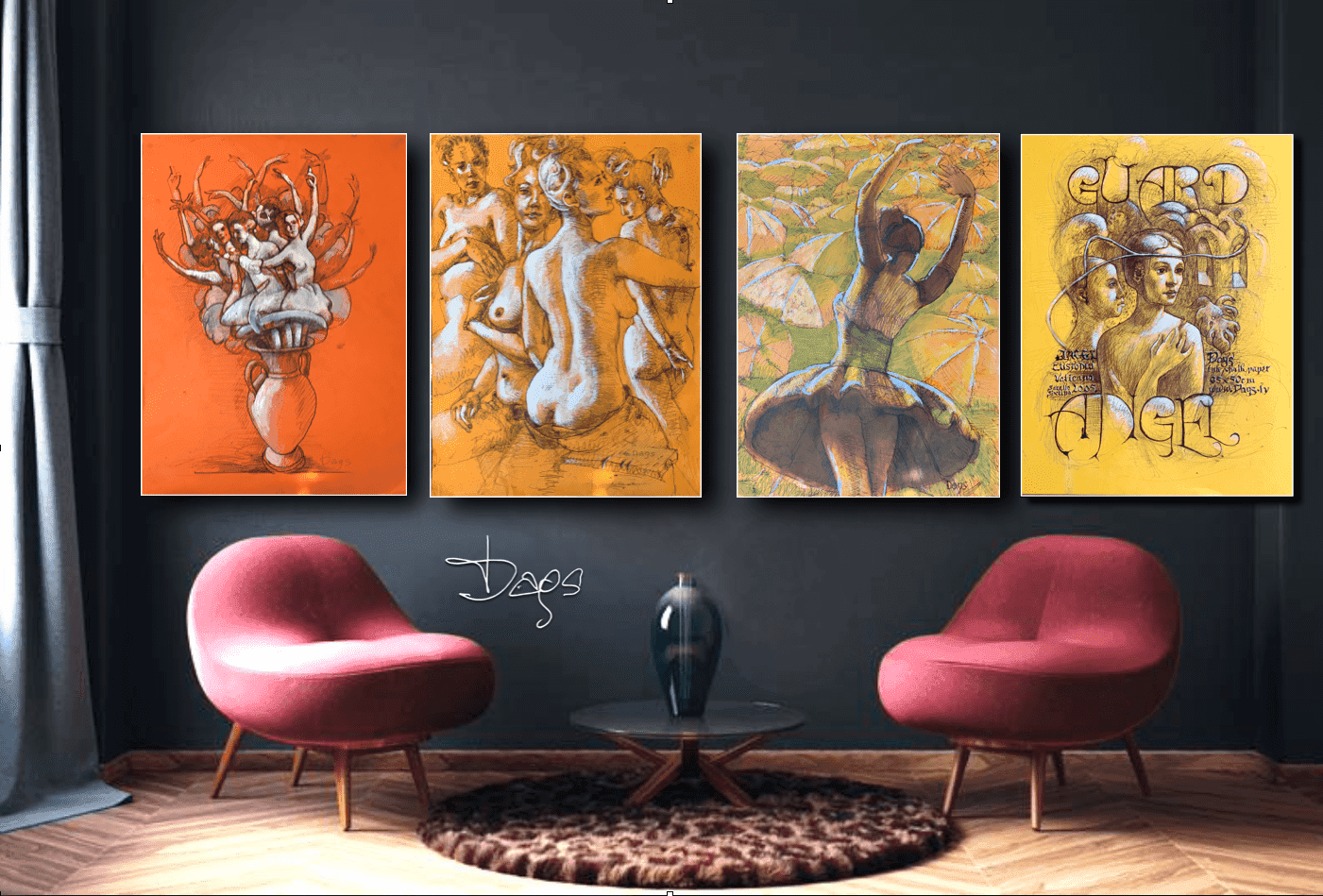
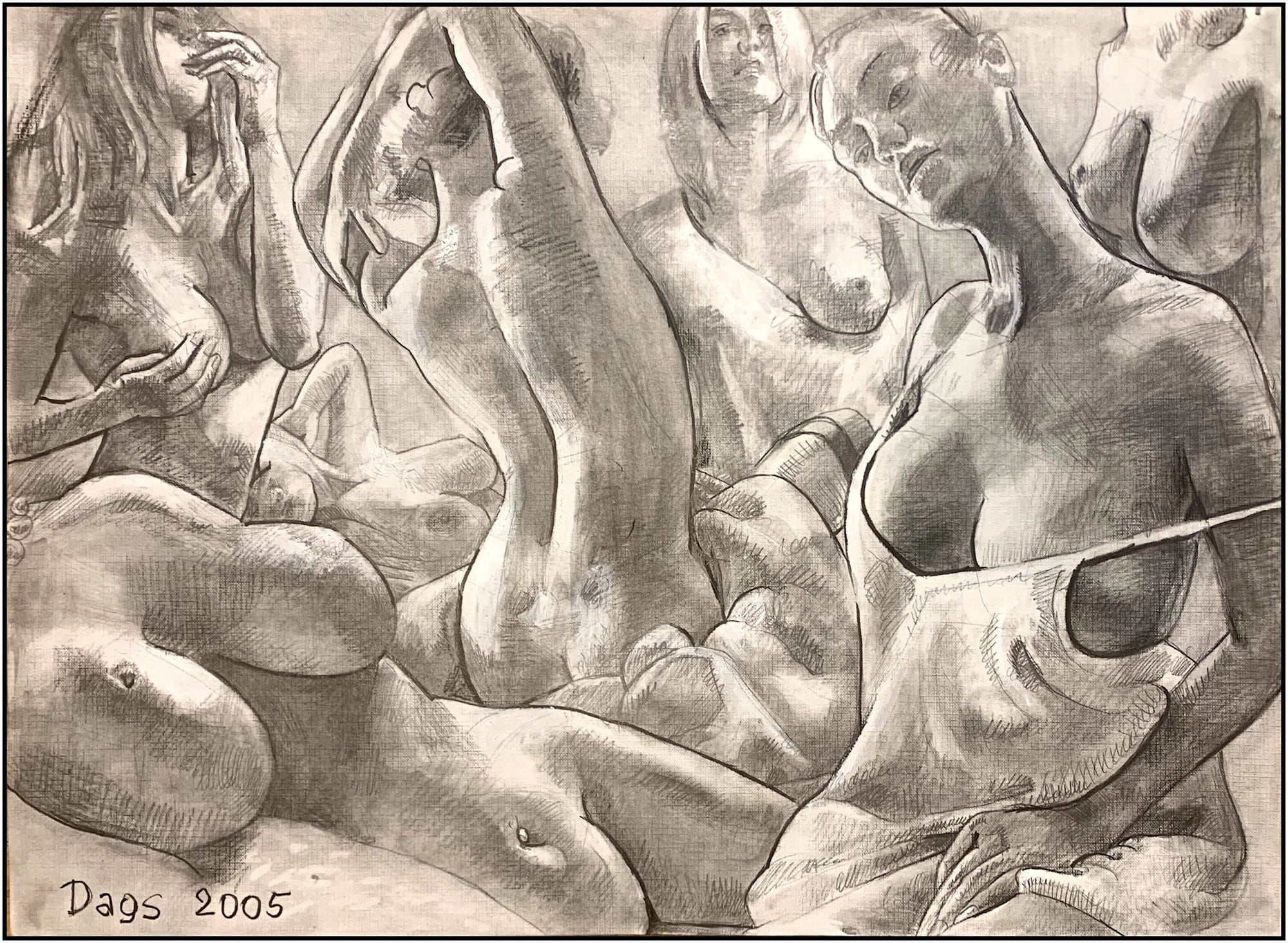 50 × 70cmSTUDENT HOSTEL€700.00Buy
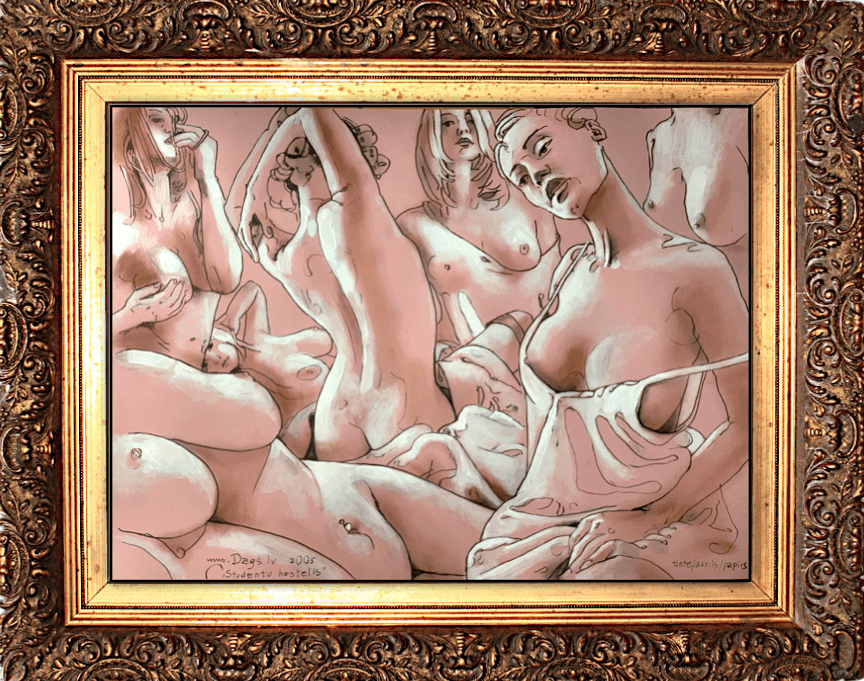 50 × 70cmHOSTEL€700.00Buy
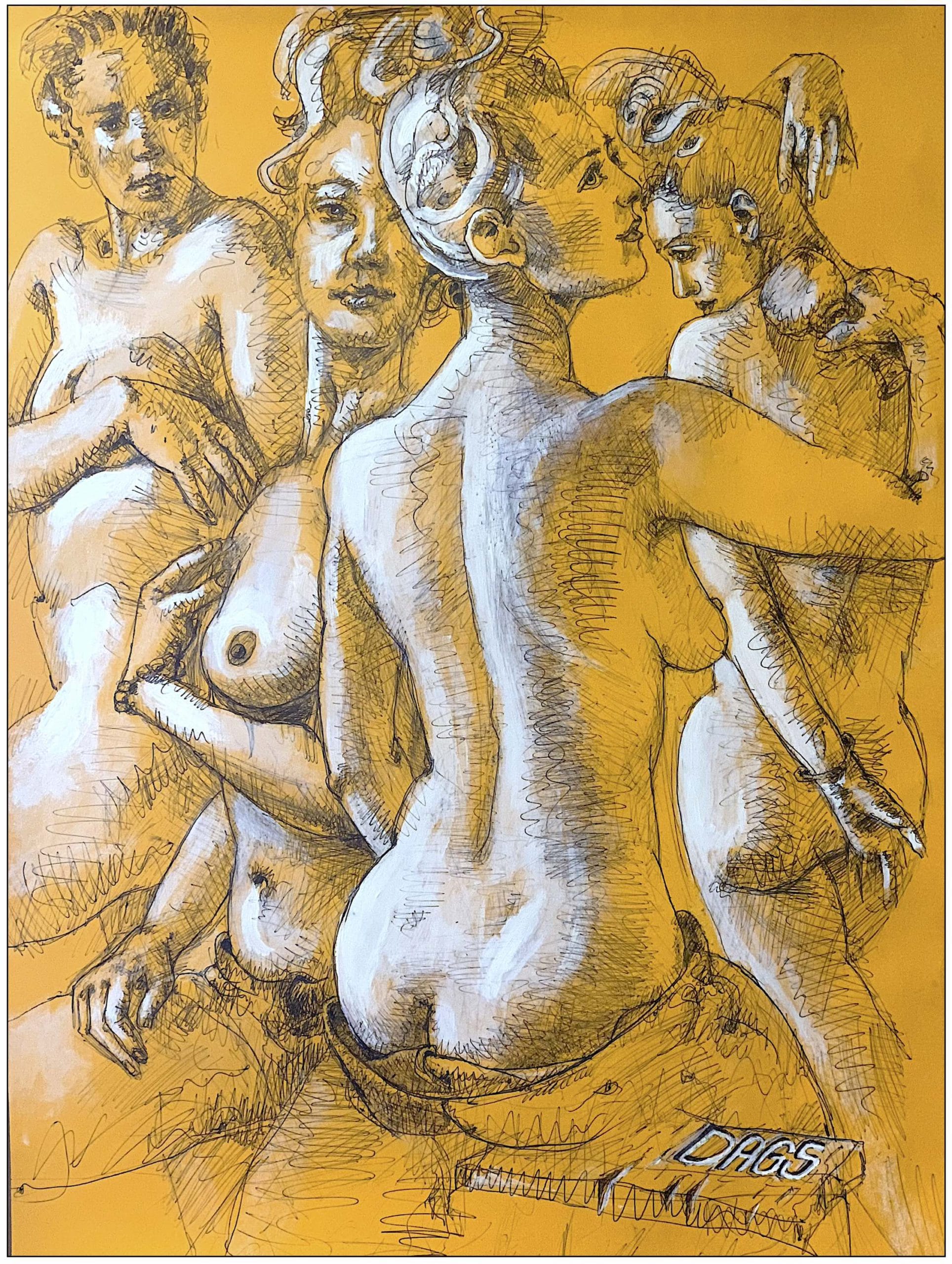 70 × 50cmValentine's Day€1,200.00Buy
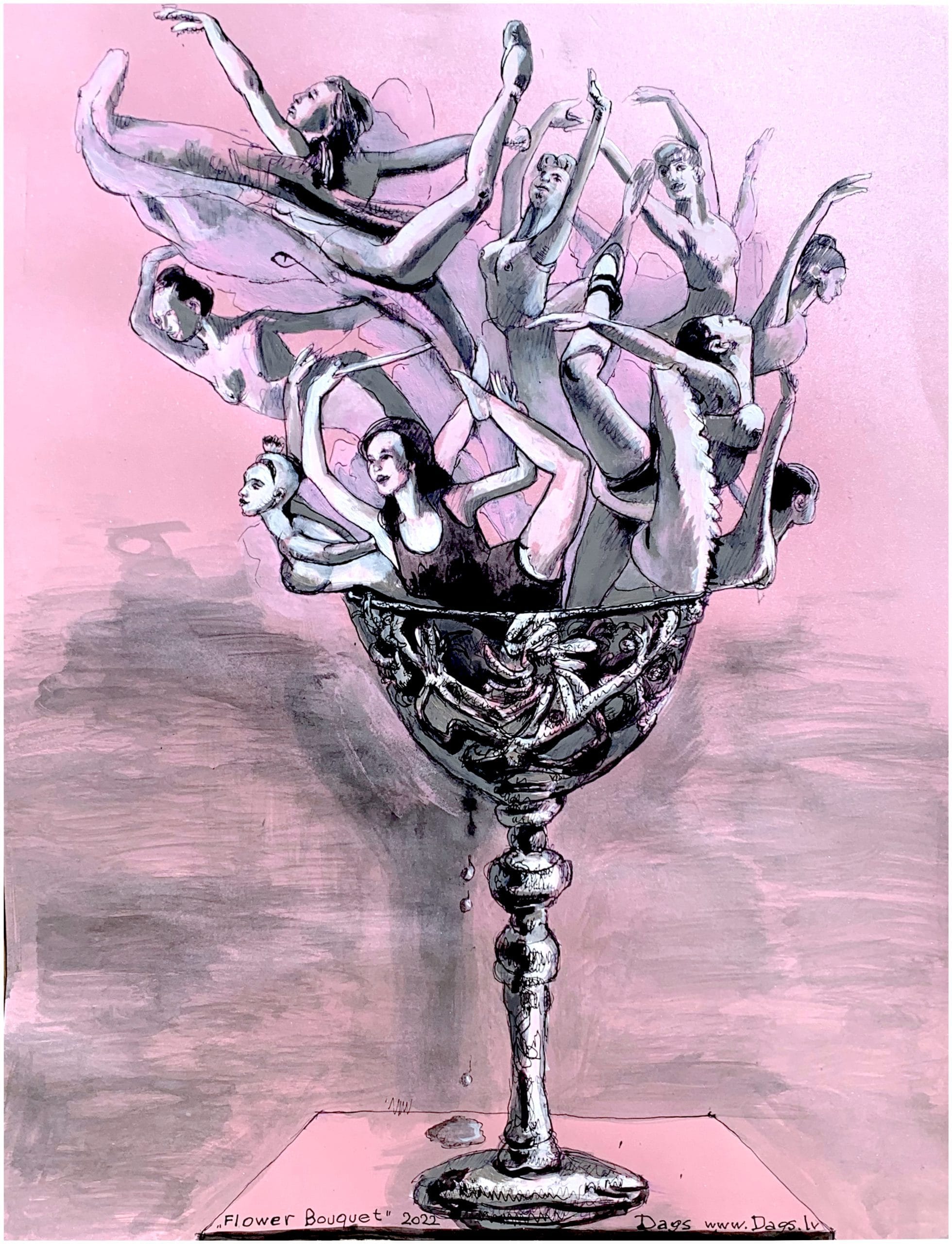 65 × 50cmFLOWER BOUQUET€1,000.00Buy
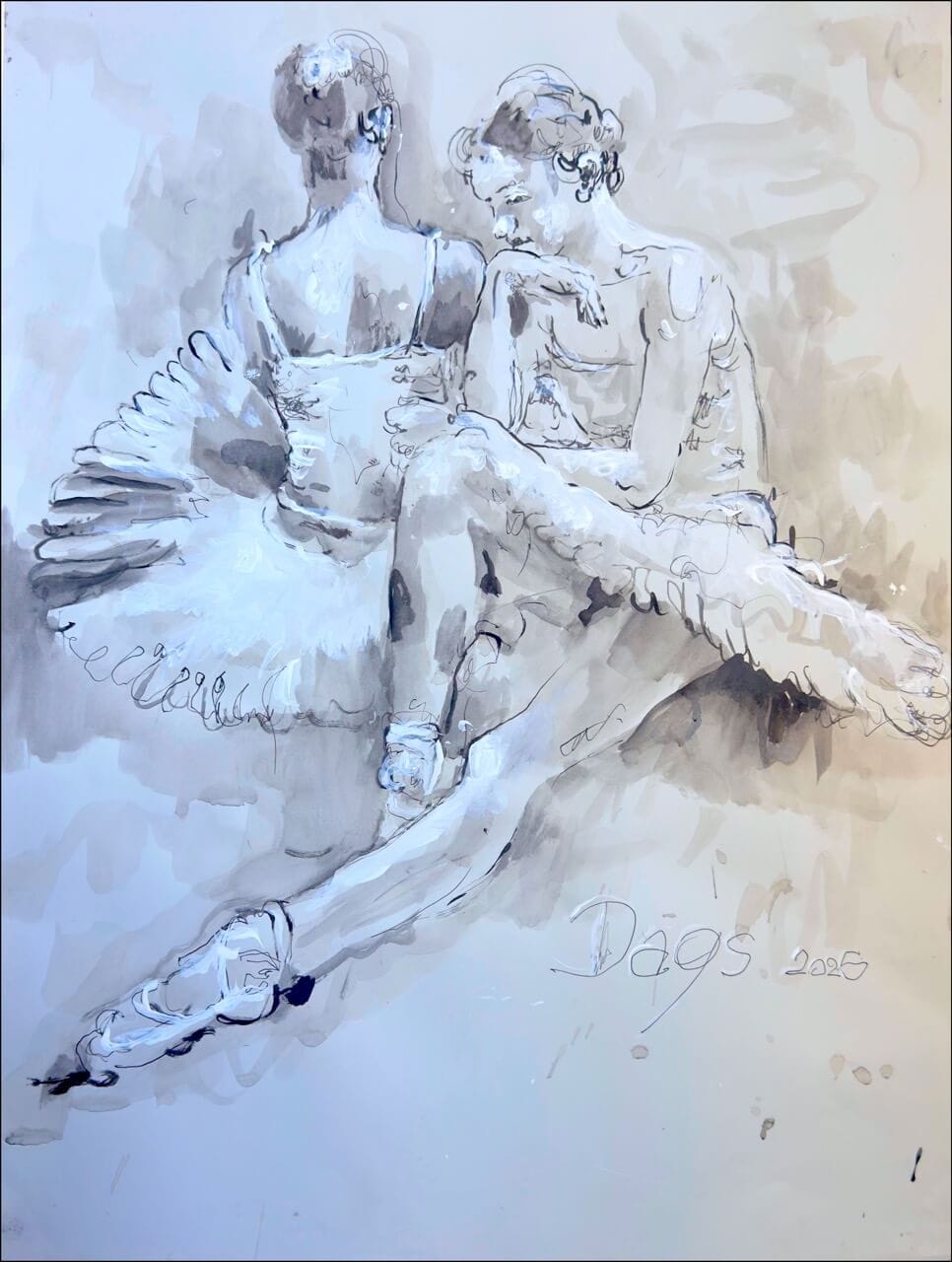 70 × 50cmBalets, draudzeņu konkurence€600.00Buy
 210 × 630cmGLOBALISATION. AMERICA IS A GREAT AGAIN€40,000.00Buy
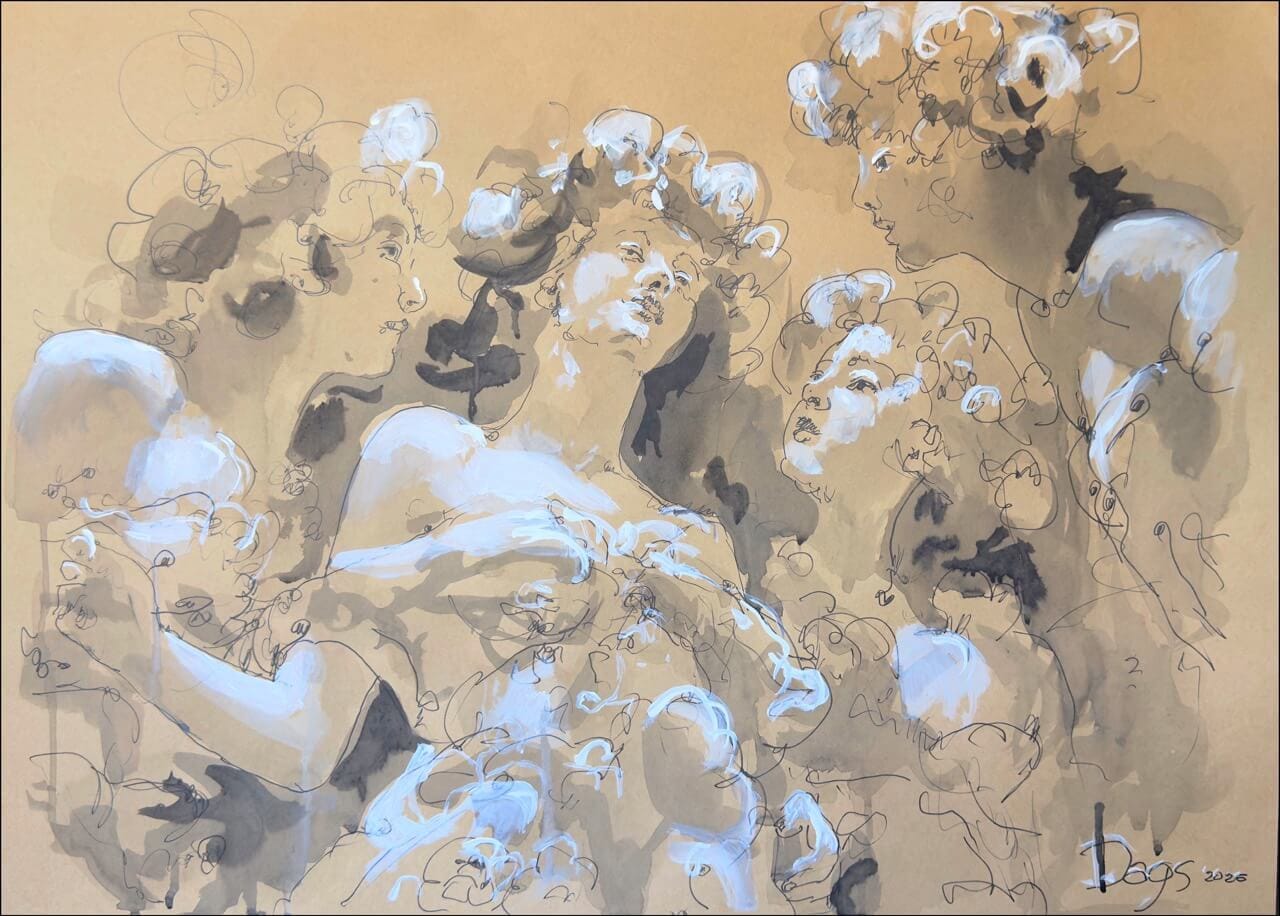 50 × 70cmBalets, Saruna buduārā€500.00Buy
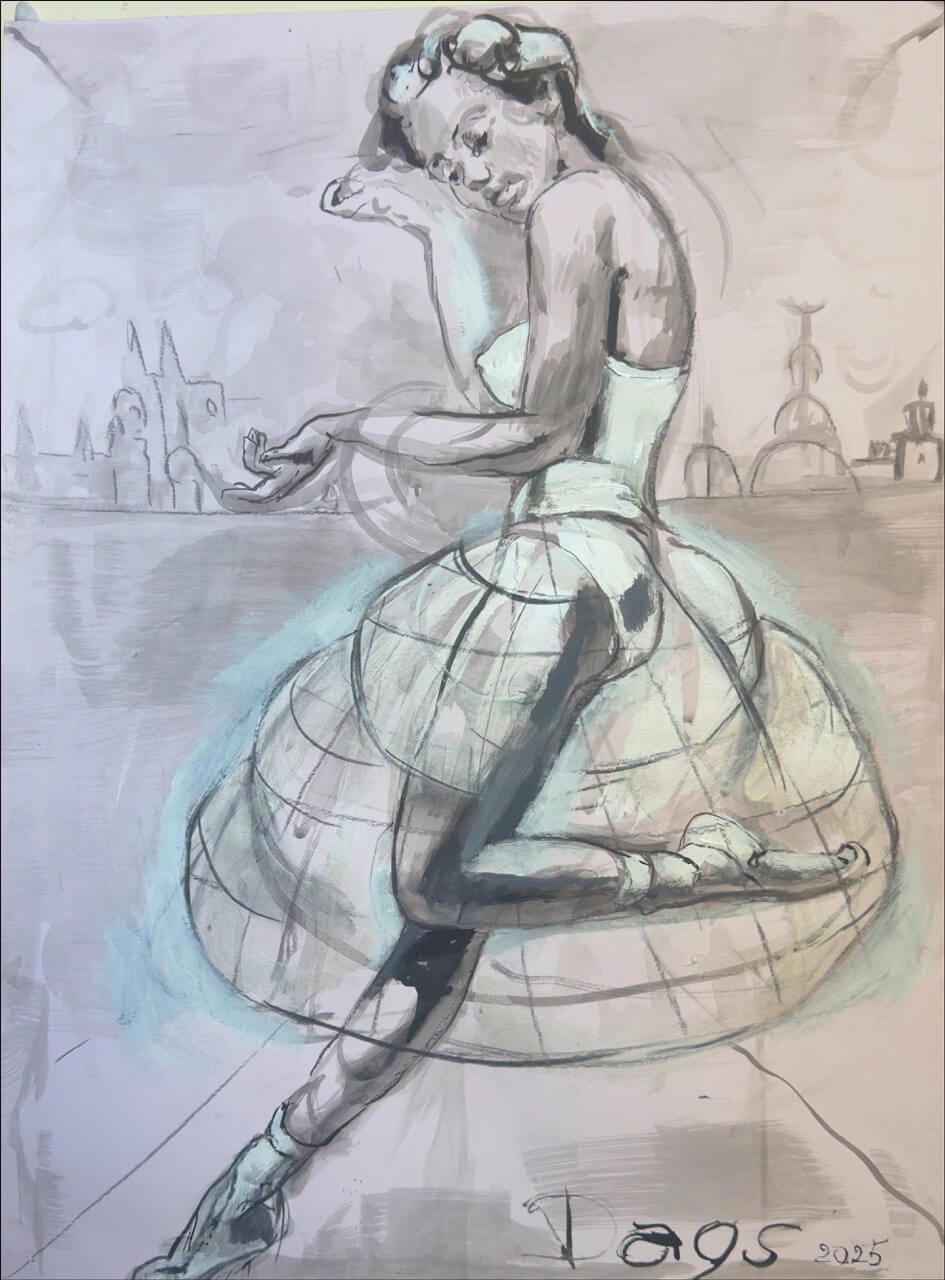 70 × 50cmBallet on Riga Beach€500.00Buy
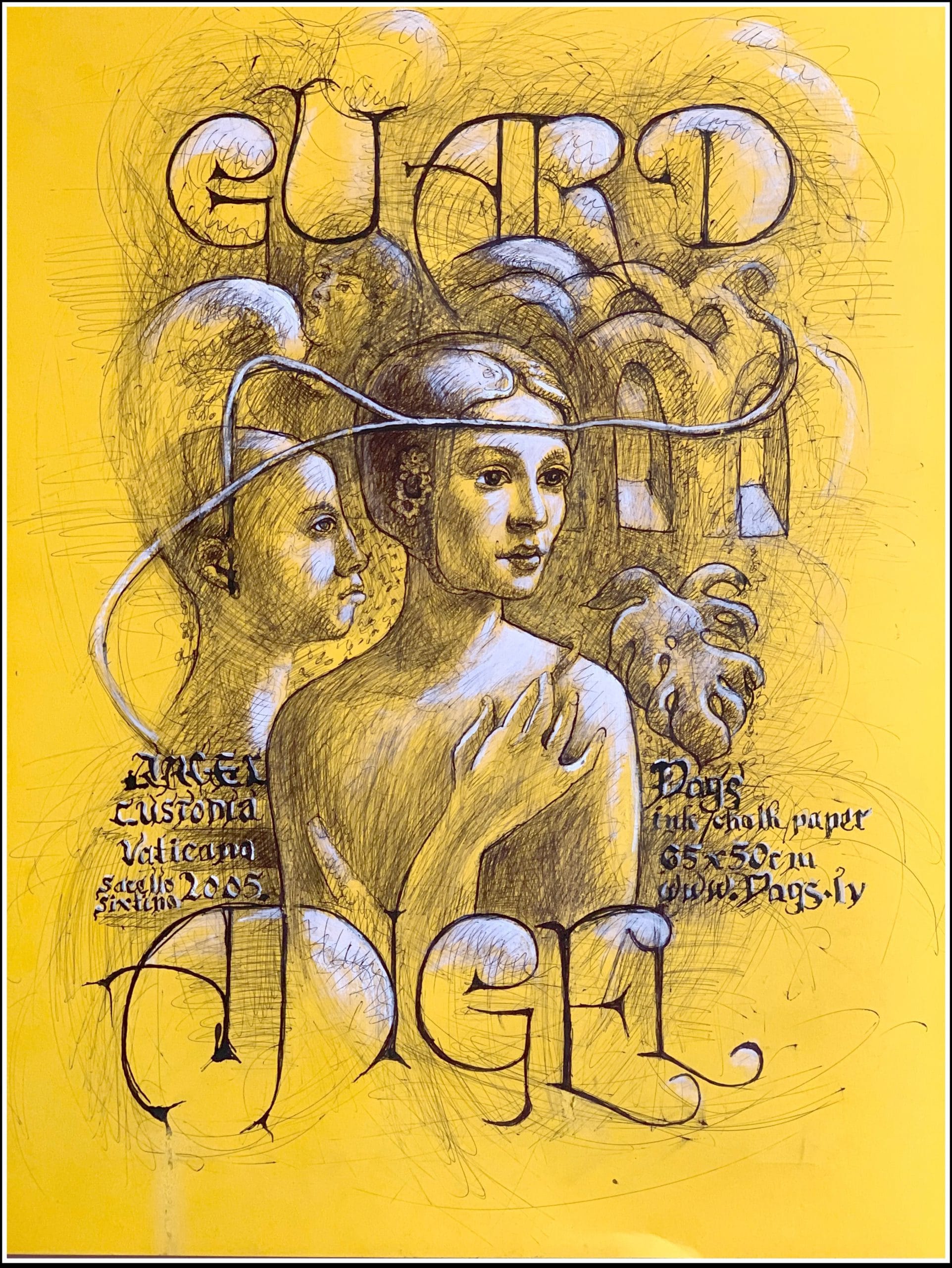 60 × 40cmANGELUS CUSTODIA€500.00Buy
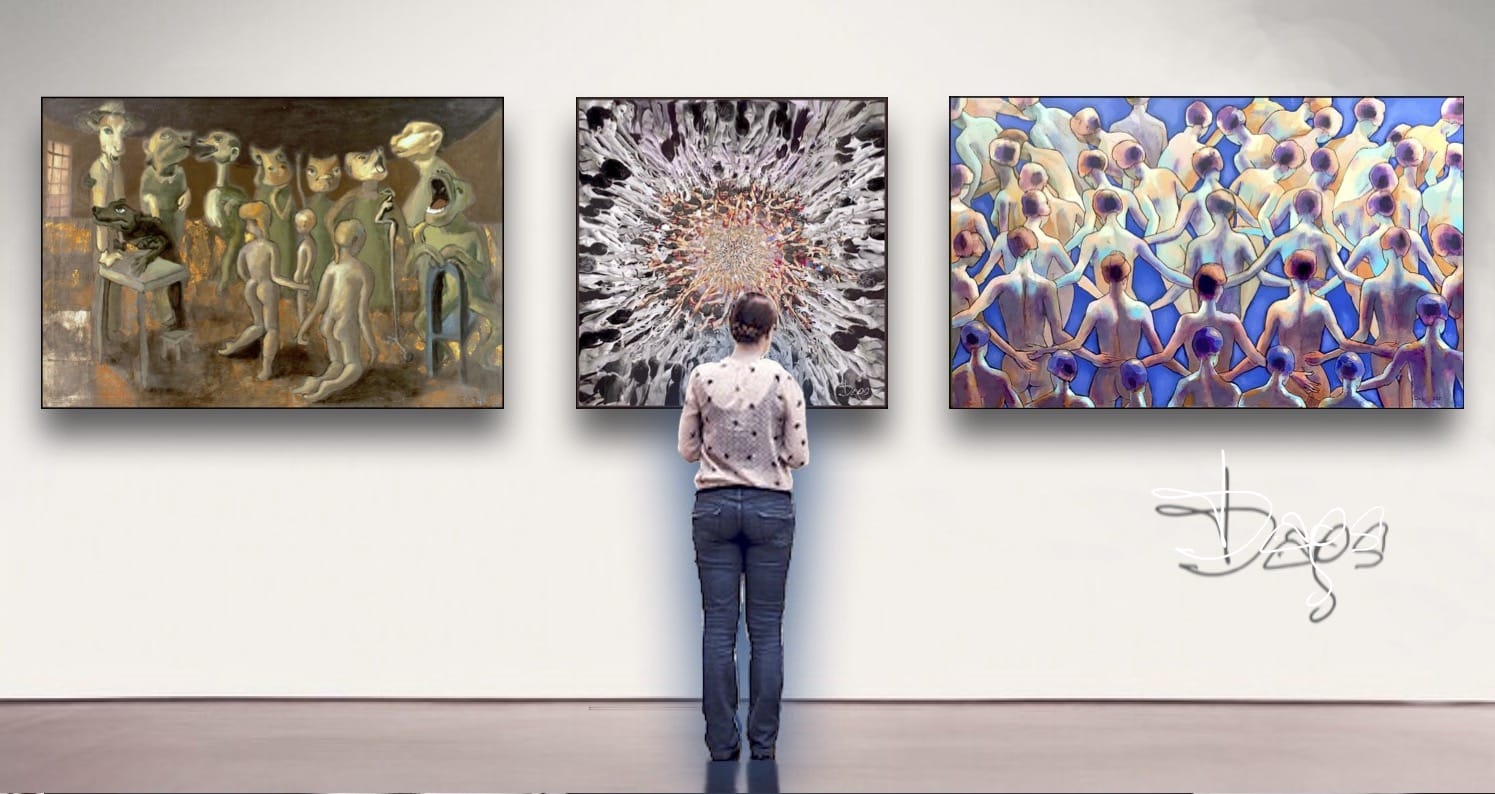 200 × 600cmARTIFICIAL INTELLIGENCE€20,000.00Buy
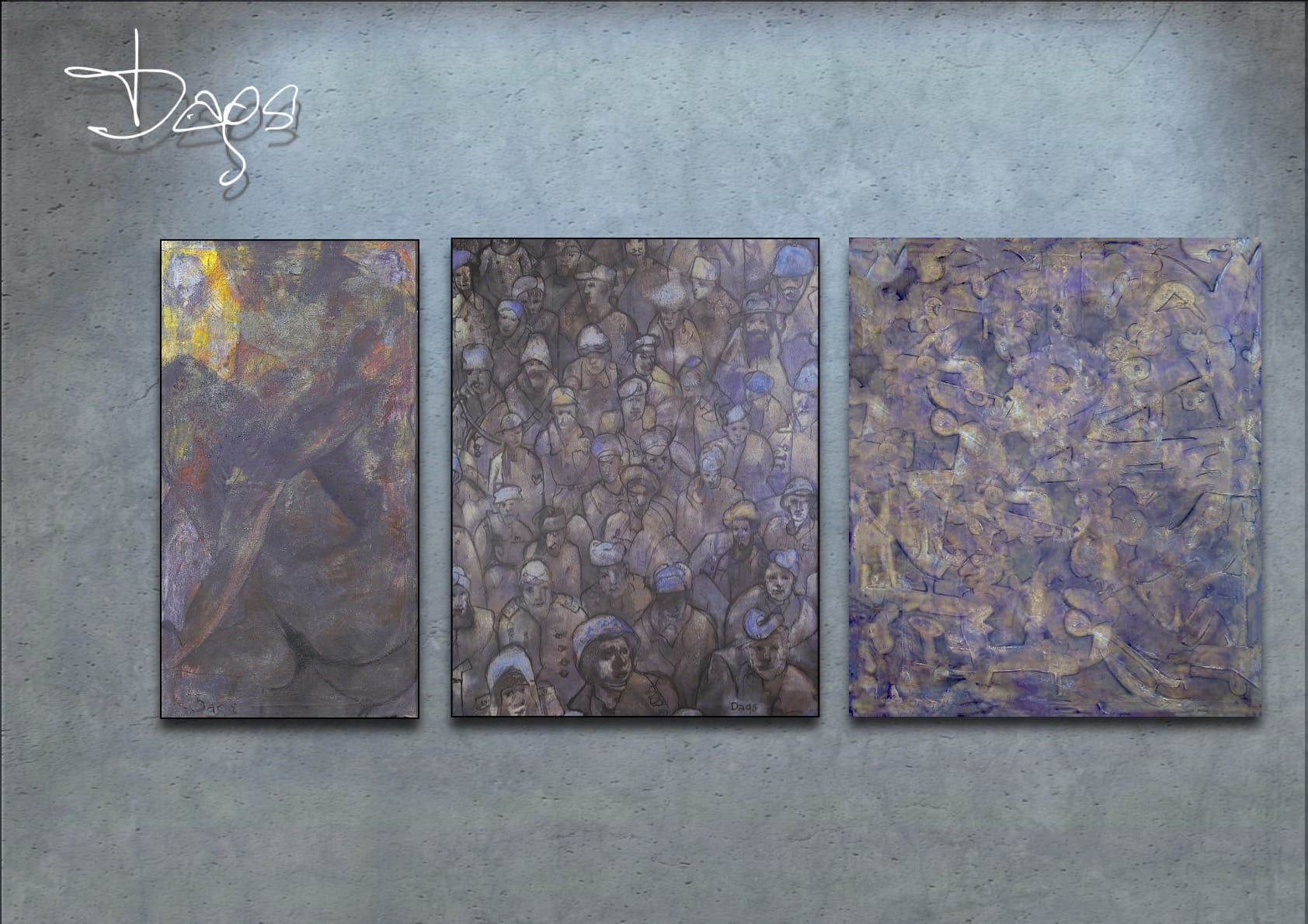 ARMY OF THE WORLD€13,000.00Buy
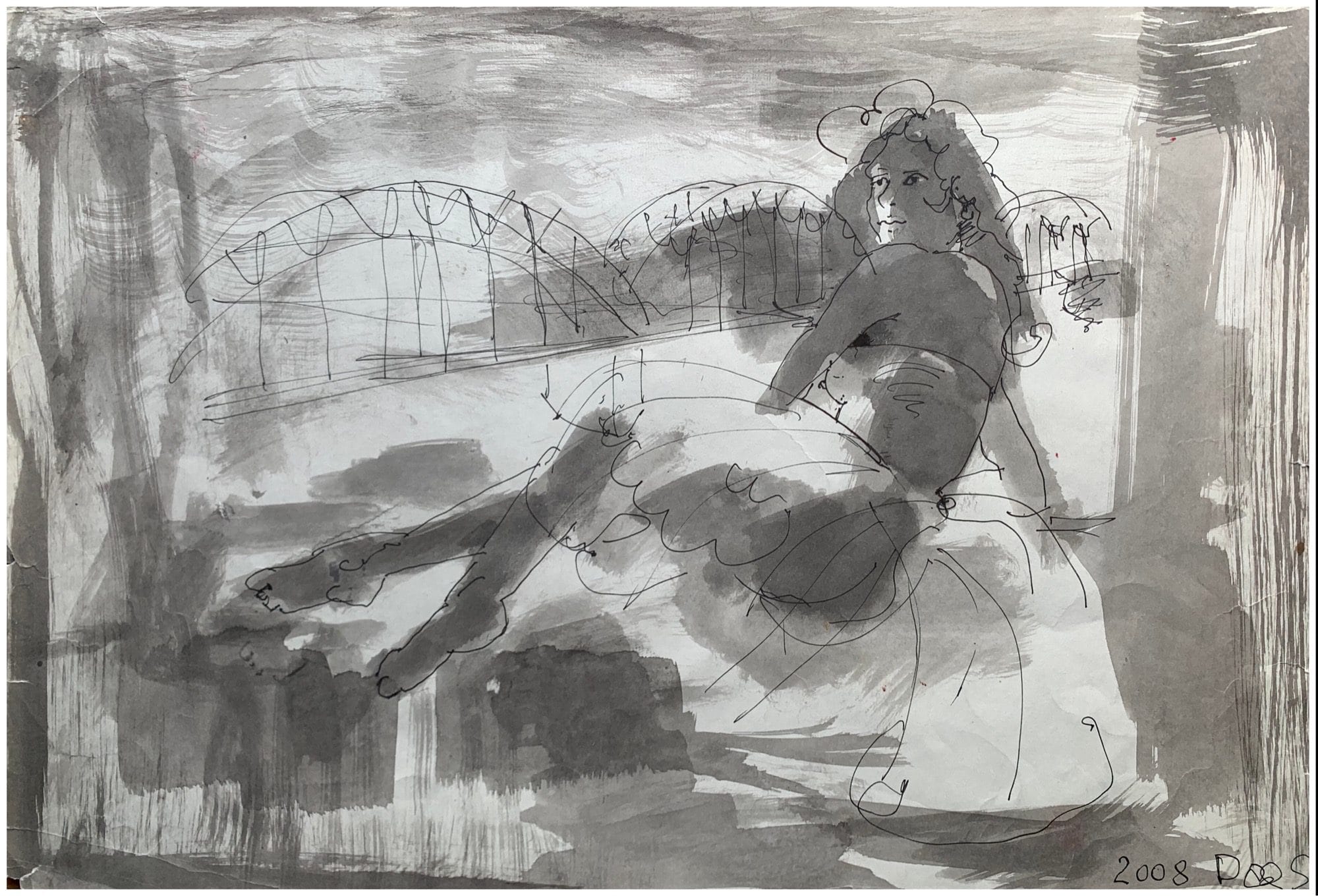 50 × 70cmBEHIND WINDOW€500.00Buy
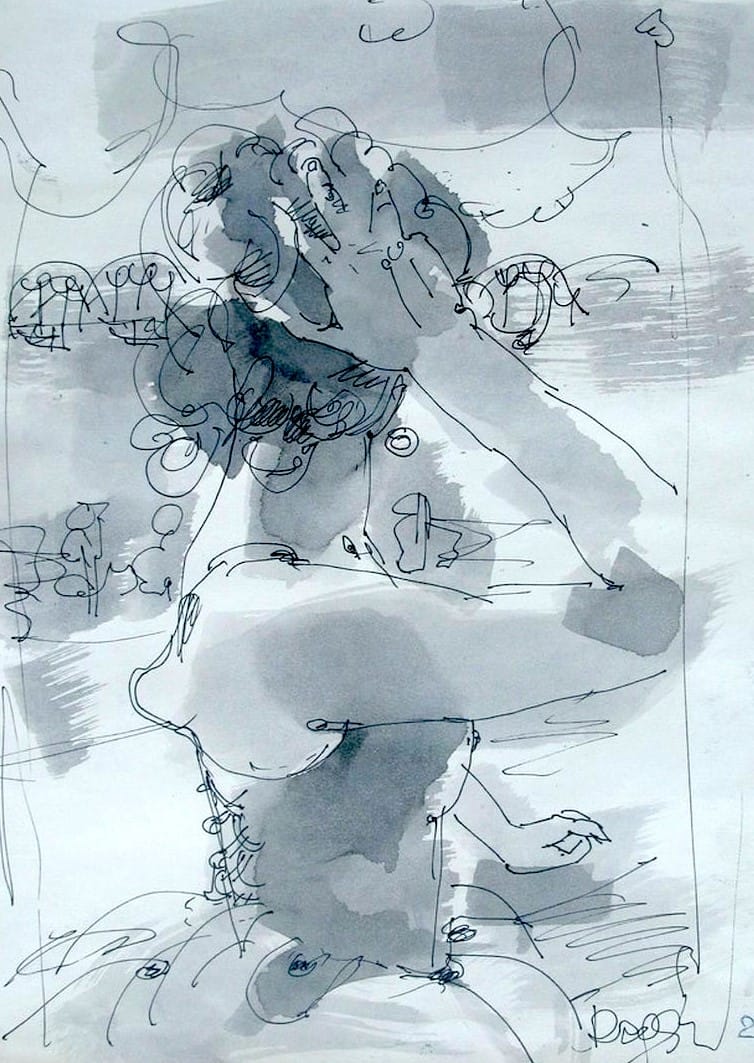 60 × 40cmBEHIND SKY€500.00Buy
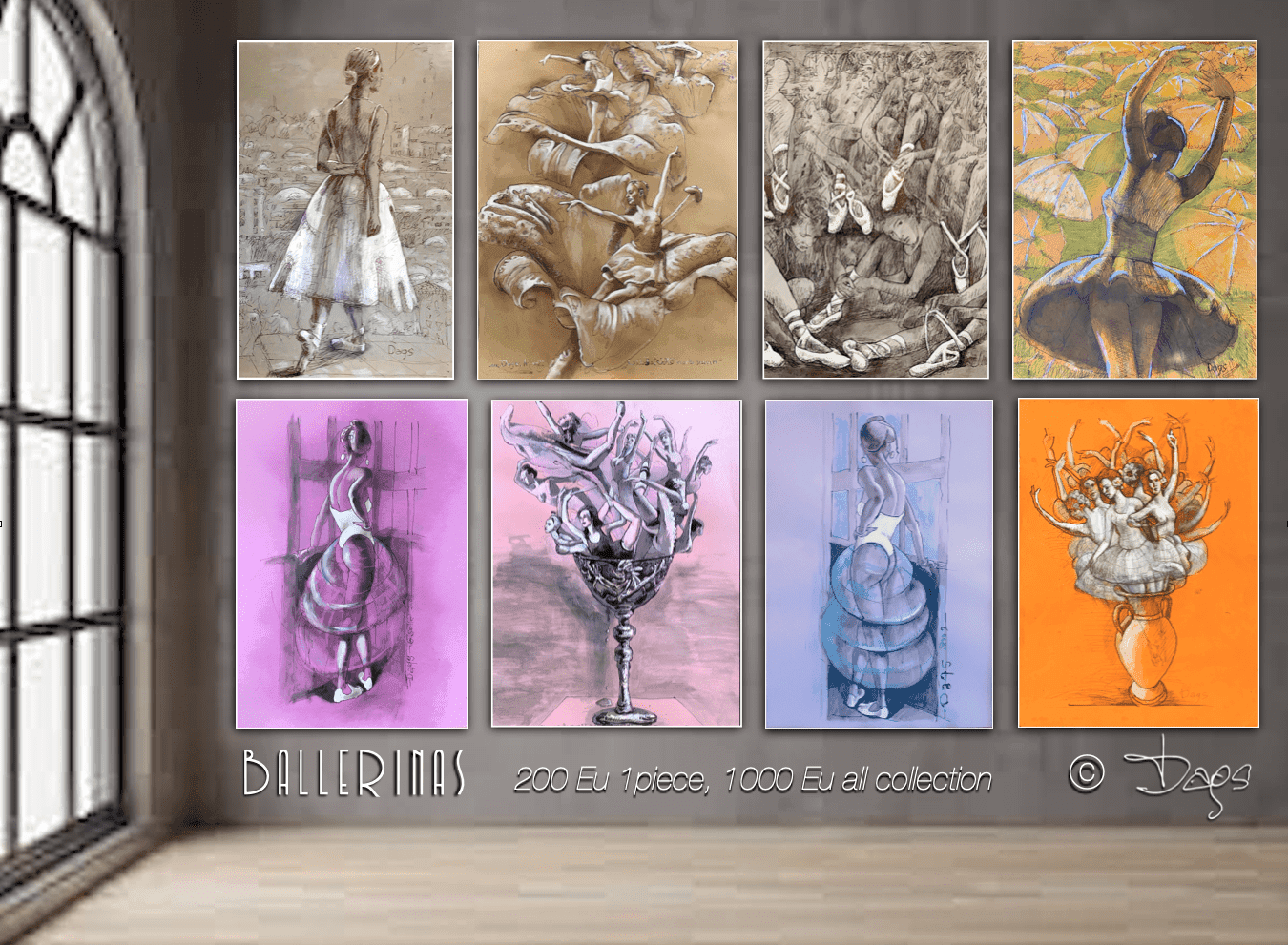 50 × 70 cm8 BALLERINAS€3,500.00Buy
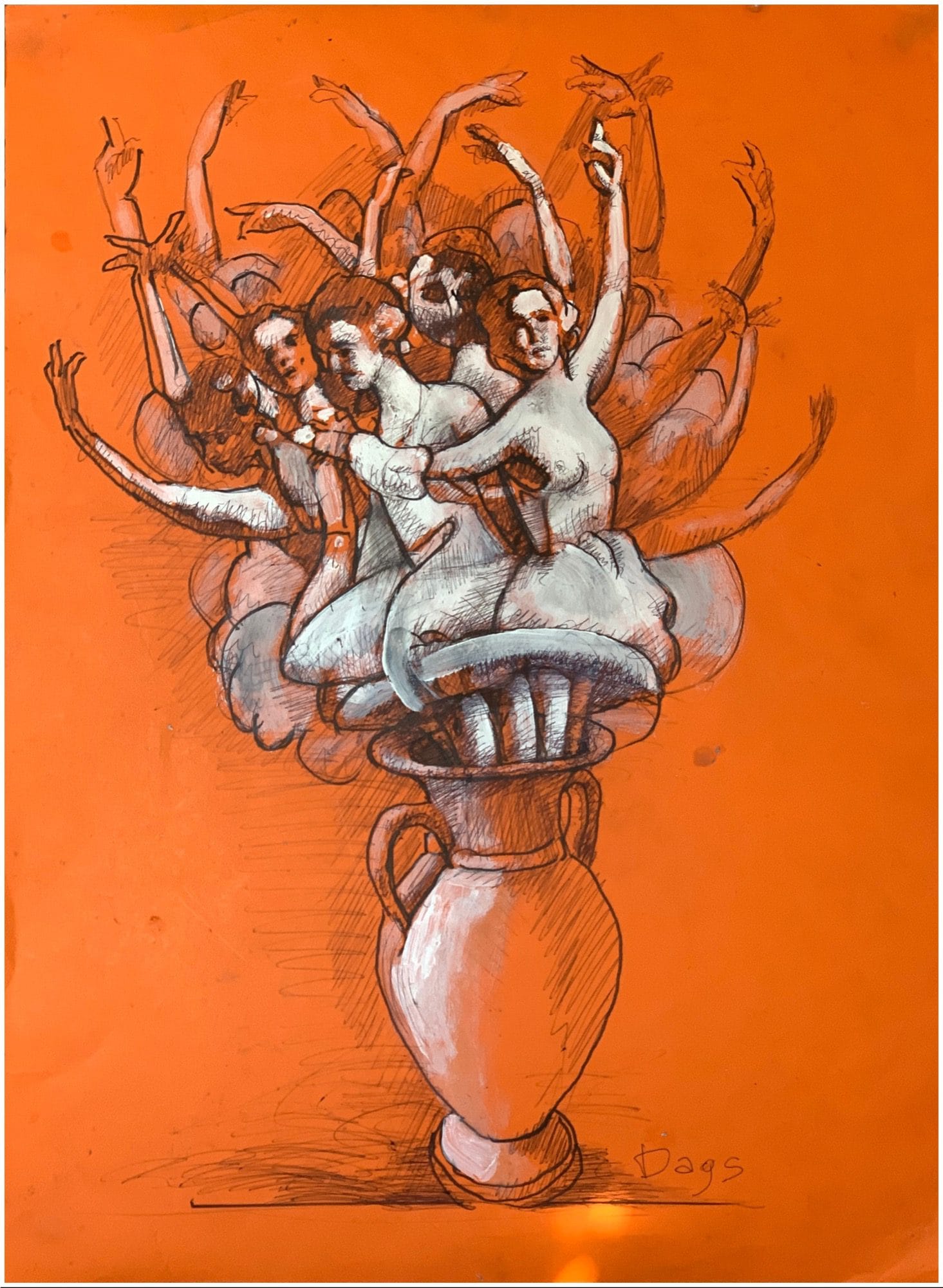 65 × 50cmBOUQUET OF FLOWERS€700.00Buy
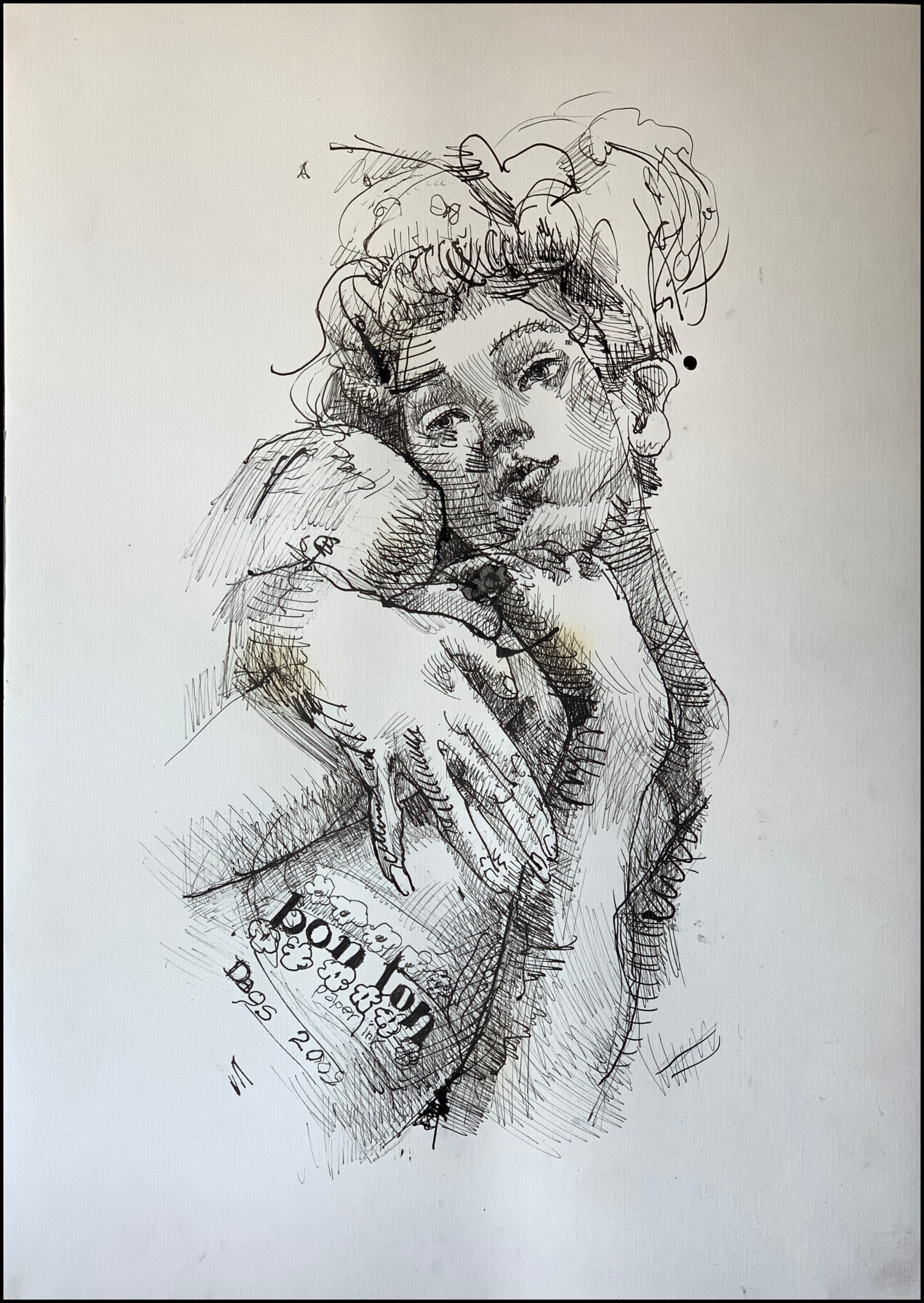 60 × 40cm / 40 × 30cmBON TON€500.00Buy
 300 × 160cmBUTTERFLIES AND SPIDERS ARTIFICIAL INTELLIGENCE€12,000.00Buy
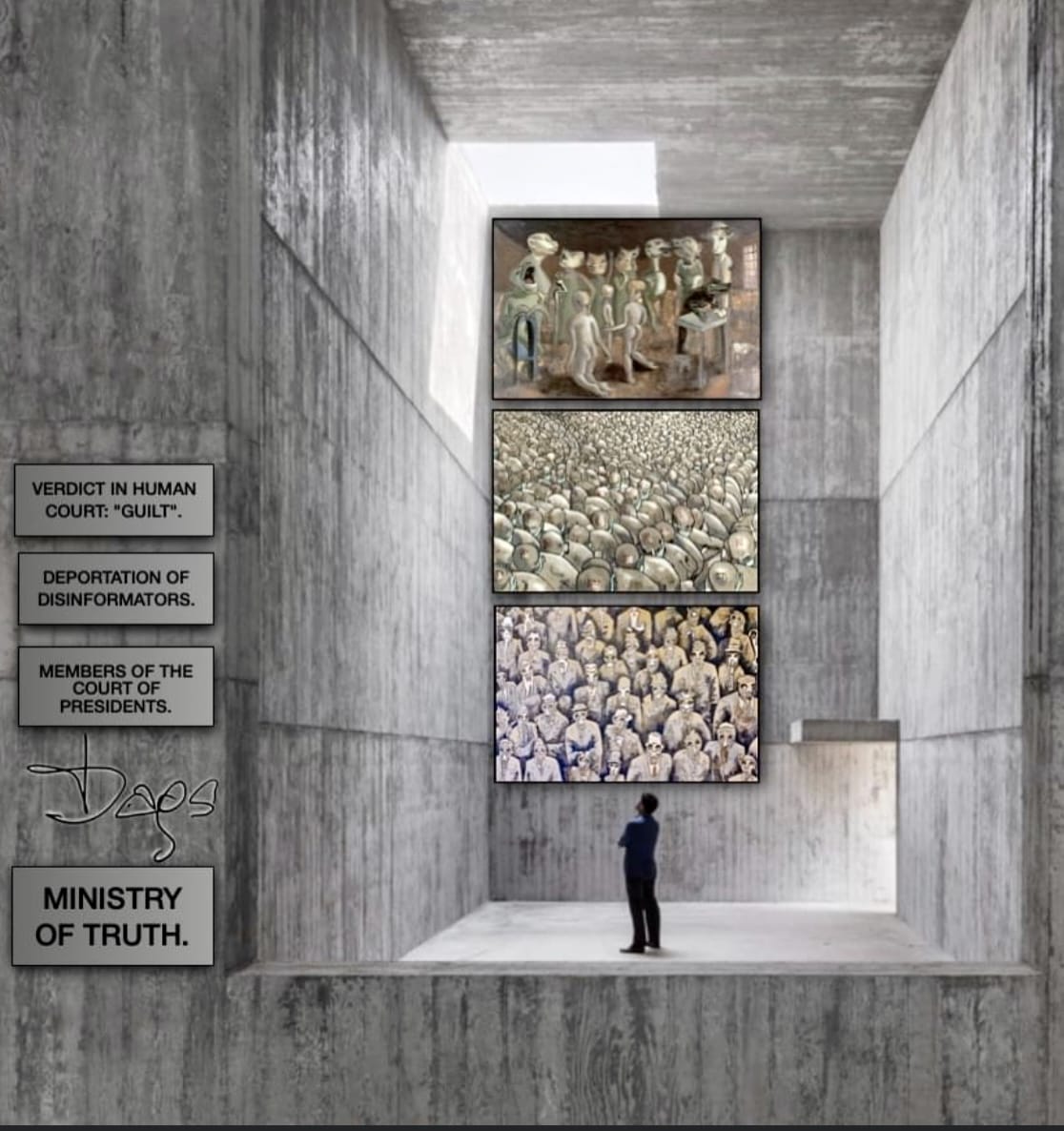 MEMBERS OF THE MINISTRY OF TRUTH€15,000.00Buy
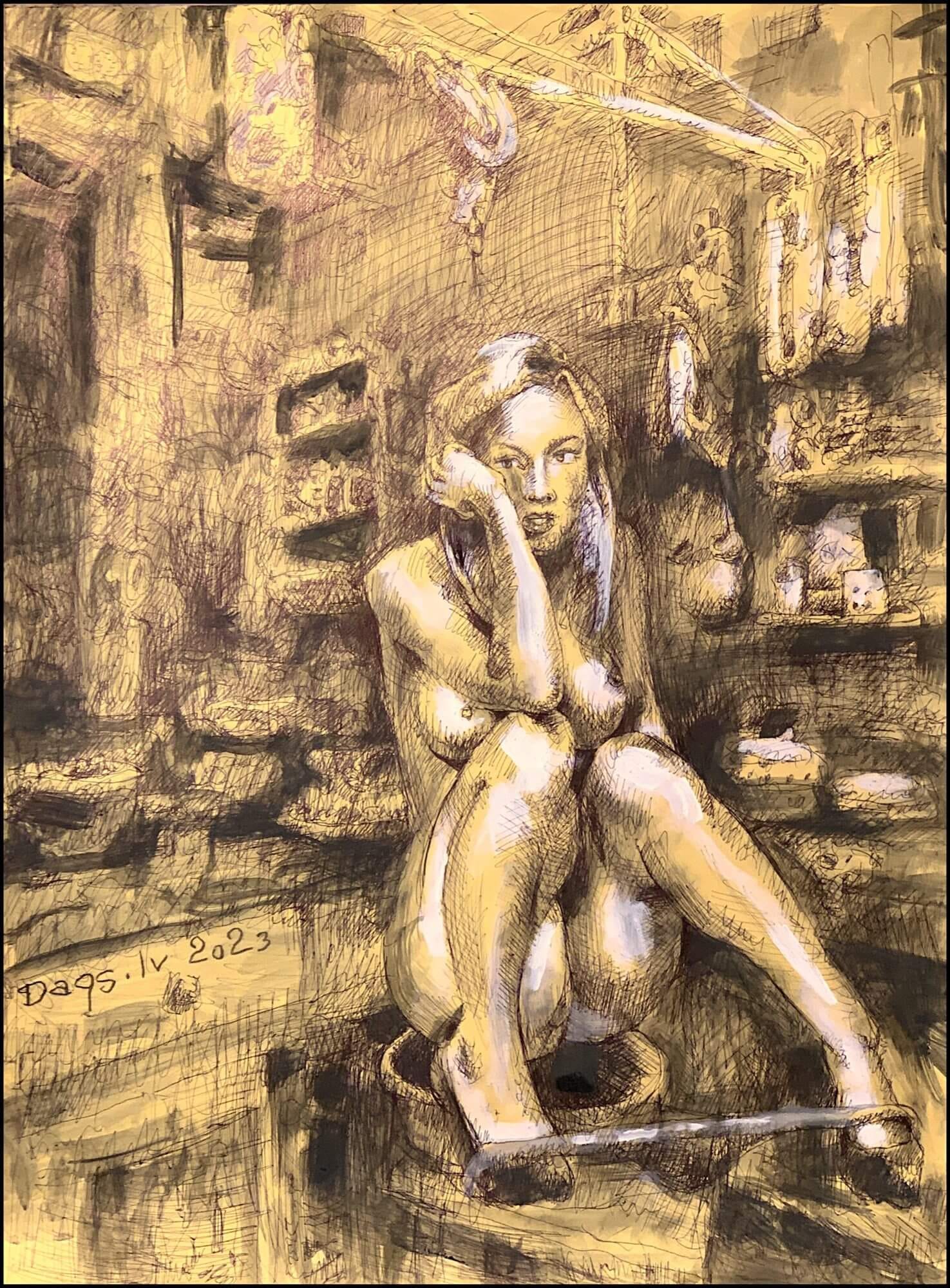 65 × 50cmCO2 WATER SAVING QUOTAS€700.00Buy
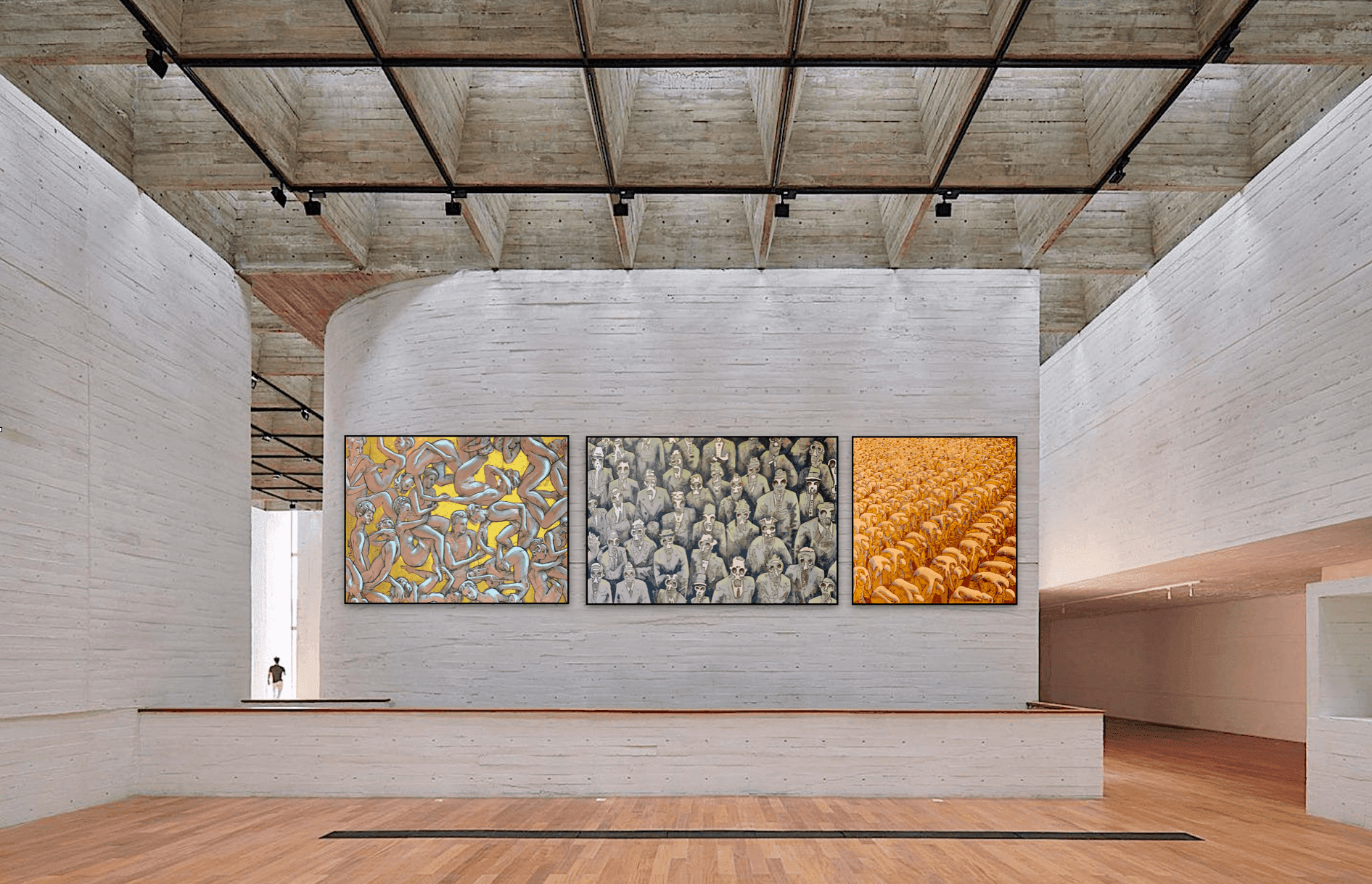 300 × 160cmDEEP STATE MPS WITHOUT MASKS€15,000.00Buy